Colour Measurement Solutions for the Textile Industry
Accurate Colour data for Dyes, Clothing, Furnishings, Leather, and more

How is colour measurement used in the textile industry
The textile industry uses colour data measured with benchtop and portable spectrophotometers to define and communicate the visual appearance of products in a consistent and traceable way. By working within globally standardised colour spaces such as CIELAB, manufacturers can specify, match and control colour more accurately across development, production and quality control processes.
Stage / context | Typical materials | Measurement focus | Why it matters |
|---|---|---|---|
Design & specification | Lab samples, dyes, reference standards | Colour specification and matching | Defines target colour and communicates requirements across the supply chain |
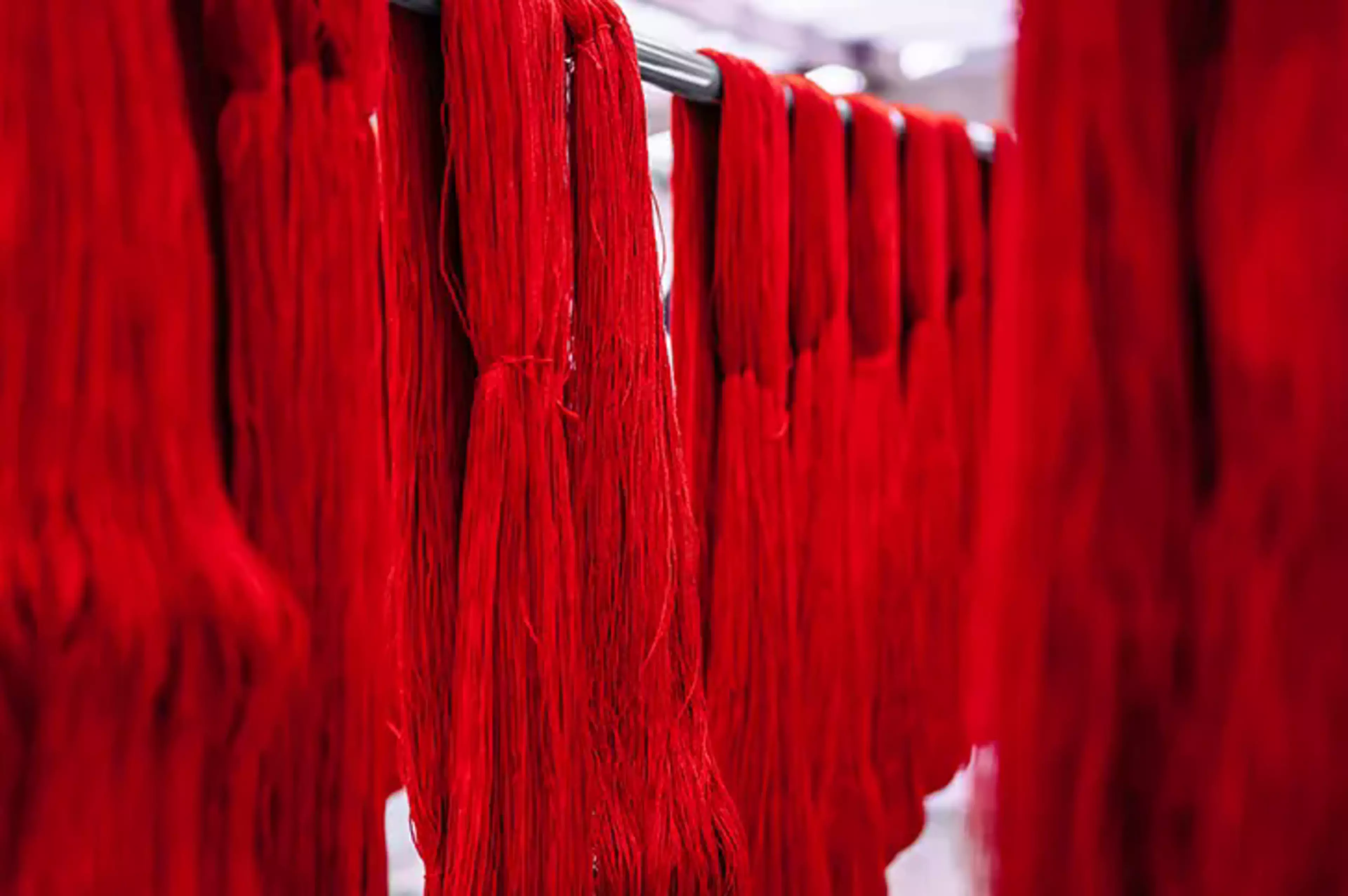
Raw materials & inputs | Fibres, yarns, dyes, chemicals | Colour consistency | Ensures incoming materials meet specification and avoids downstream variation |
Production & processing | Dyed fabrics, printed textiles, batches | Colour control and tolerances | Maintains consistency during dyeing and processing |
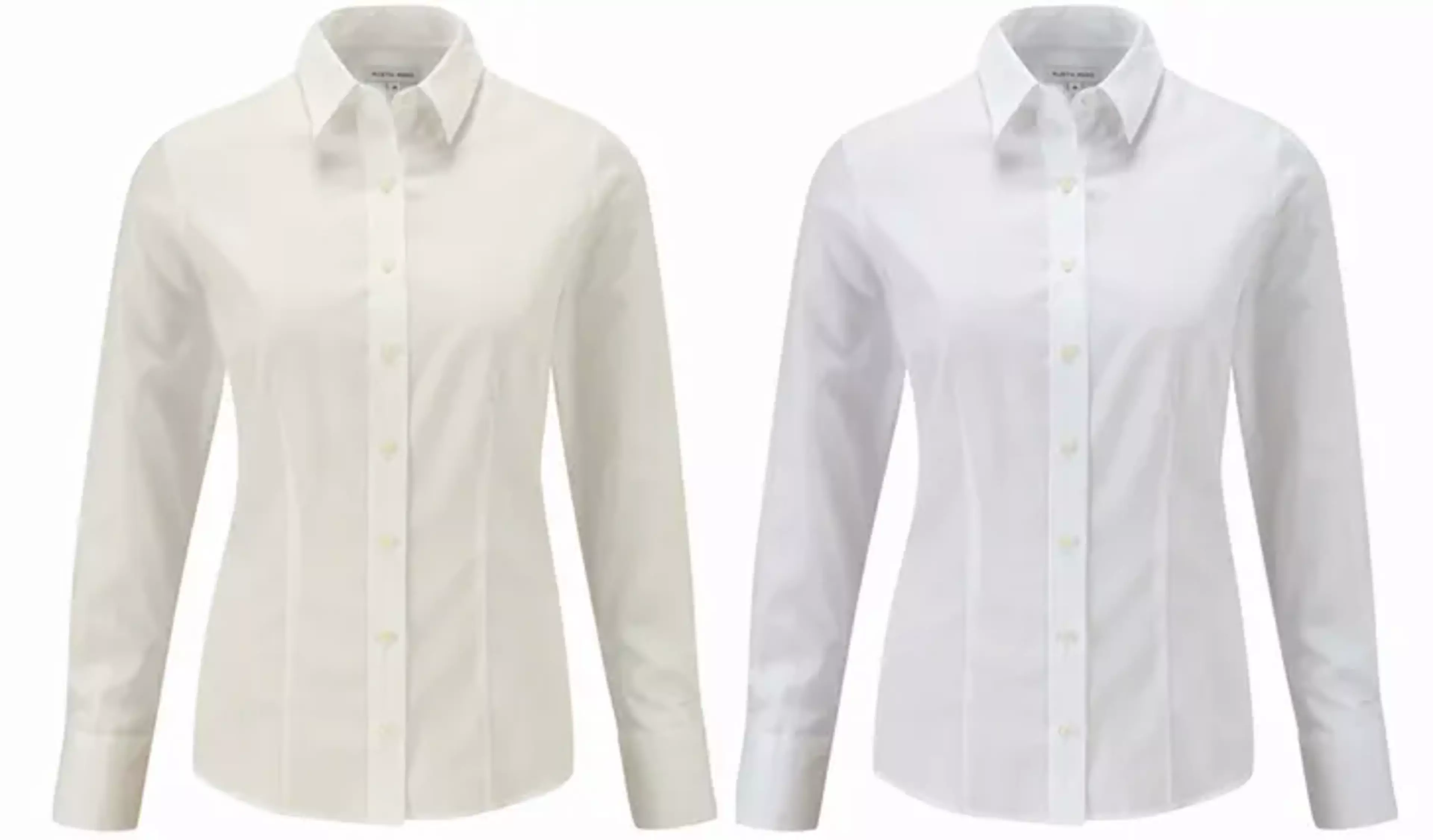
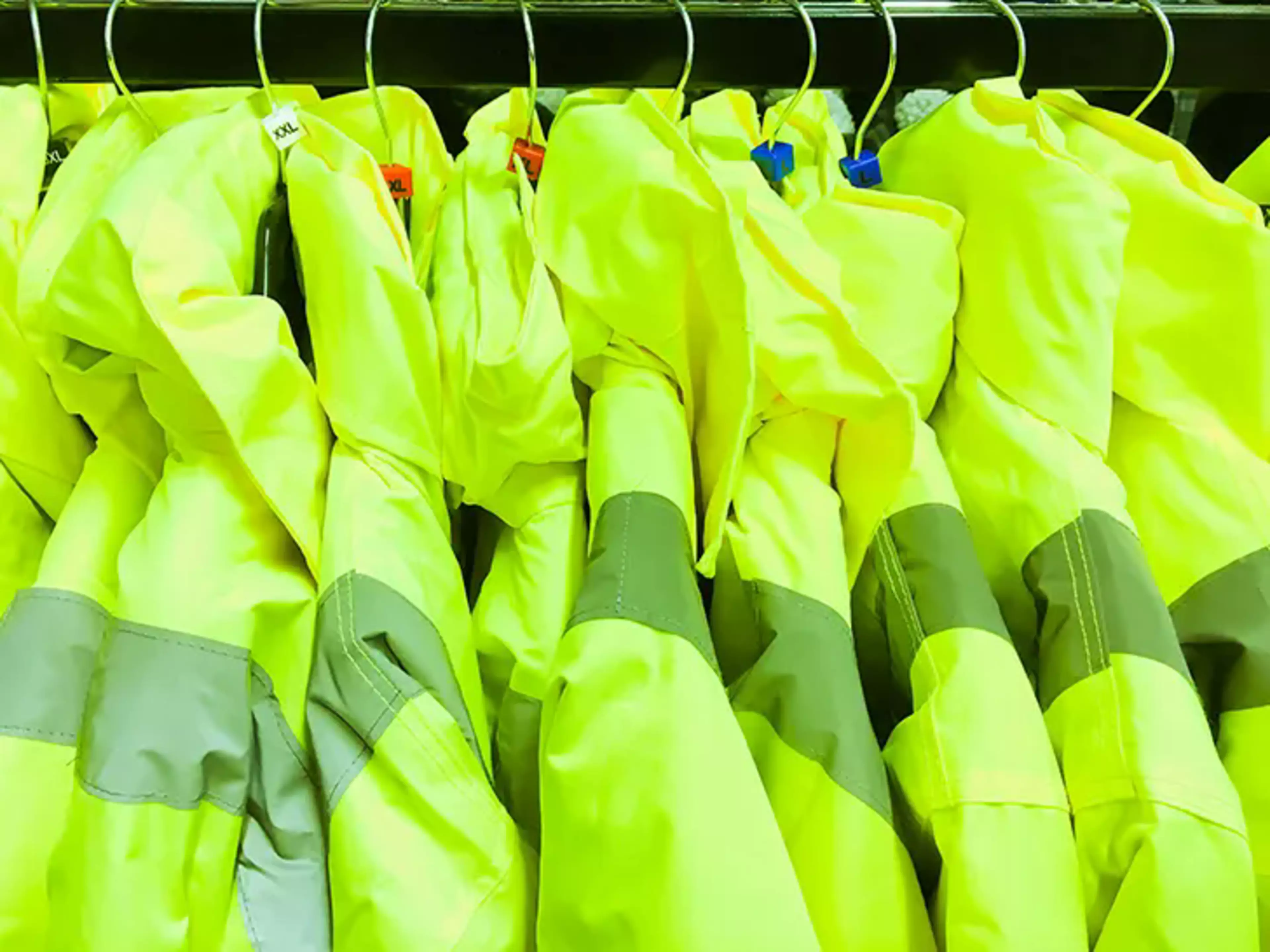
Finished products | Garments, furnishings, technical textiles | Colour and visual appearance | Confirms products meet brand and customer expectations |
Performance testing | Samples under light, wash or wear conditions | Colour durability | Evaluates changes such as lightfastness, wash resistance or rub resistance |
In textile manufacturing, colour measurement supports consistent communication and control across complex supply chains where materials, processes and conditions can vary significantly. Differences in fibre type, dye formulations, finishing processes and lighting conditions can all influence how colour is perceived, making it difficult to rely on visual assessment alone. By combining objective measurement with defined tolerances and controlled viewing conditions, manufacturers can reduce subjectivity, improve alignment between suppliers and production sites, and ensure reliable colour reproduction from initial design through to final product. This enables faster approvals, fewer reworks and a more consistent outcome across batches and product lines.
Explore below how colour measurement is applied across textile design, production and quality control:
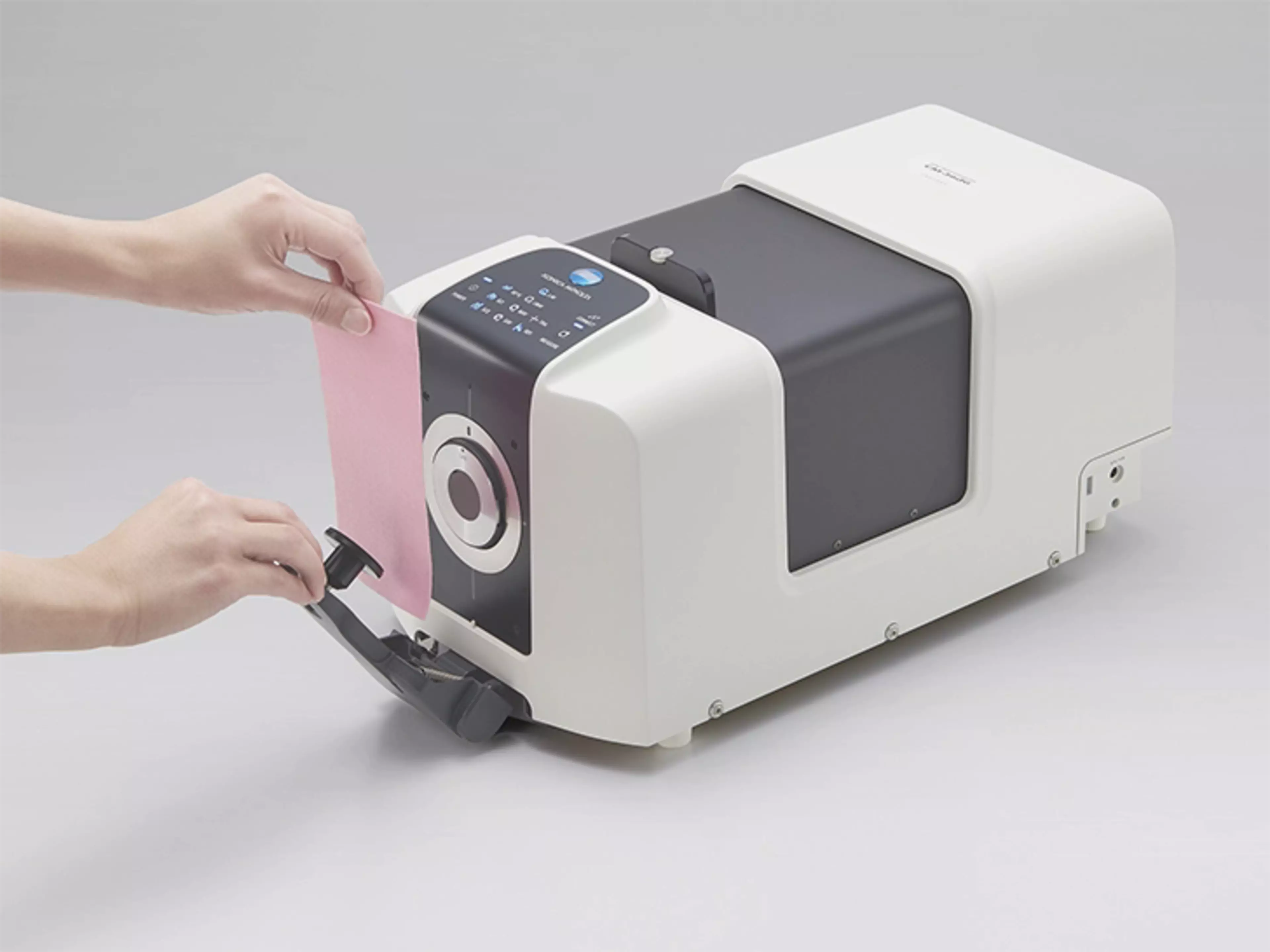
Spectrophotometers for textile production and quality control
- Spectral reflectance data measured with a spectrophotometer allows producers and brands to precisely communicate, tolerance, check and approve a colour in a way more accurately than possible with human vision and language.
- Colour measurement using a spectrophotometer will allow producers to produce a consistent product with control of optical brighteners.
- Spectrophotometers are necessary for predicting or identifying metamerism or colour inconstancy in samples (you can learn more about metamerism and other colour theory topics in our Learning Centre or the Konica Minolta YouTube channel).
The application specialists at Konica Minolta have a vast experience of delivering successful measurement and control systems for textiles and will work with you to find the right spectrophotometer for your needs.
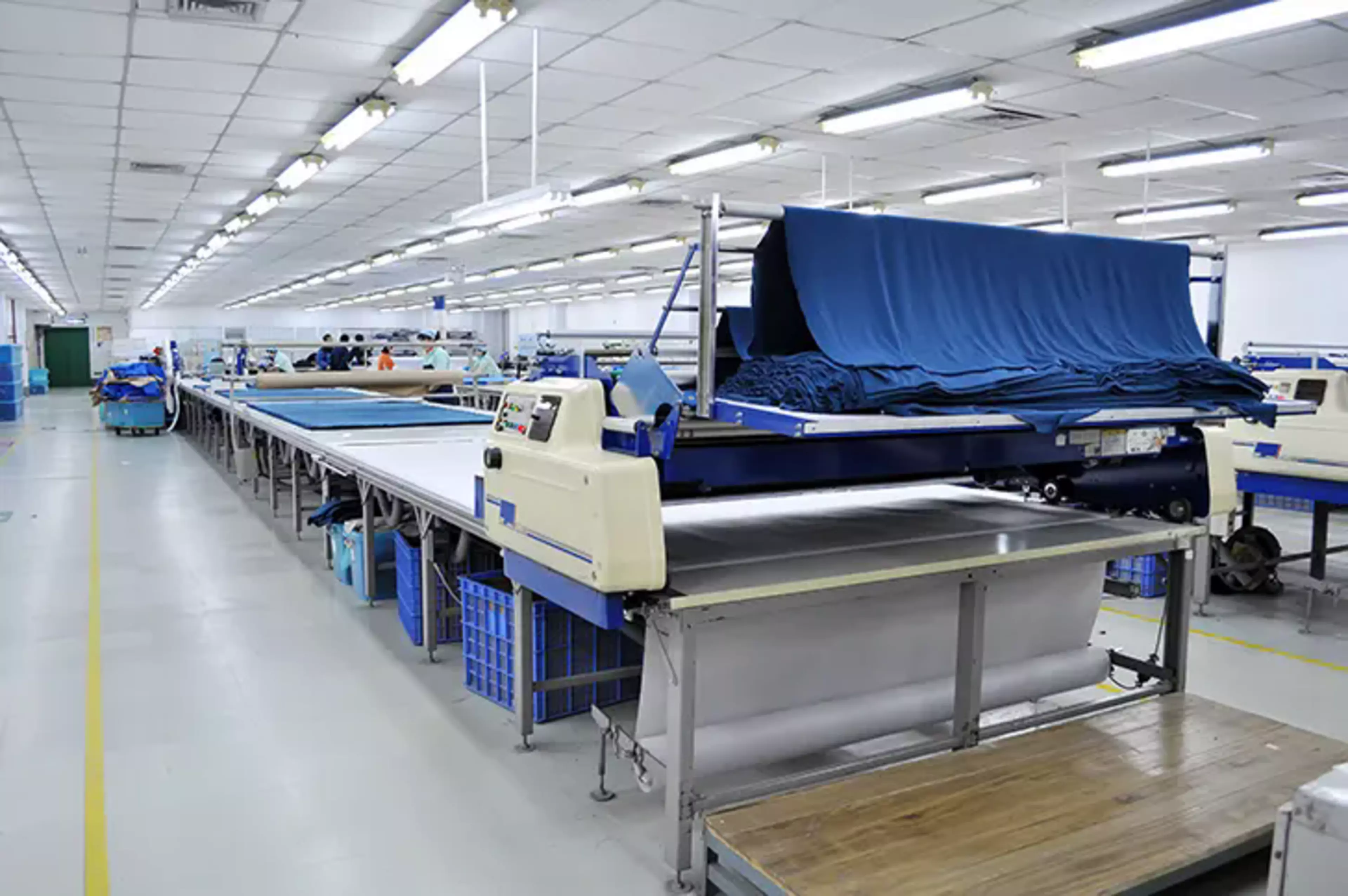
Colour quality control allows an organisation to offer the colours that customers want and deliver the most consistent experience for customers.
Key Benefits of Textile Colour Measurement
Improve batch to batch colour consistency:
Batch to batch consistency improves customer and end user's satisfaction and perception of quality, reducing returns and waste.
Improve customer satisfaction:
Colour control and colour matching offer new possibilities for added value custom products, range extension, and a greater flexibility to meet customer orders. The ability to offer colour data and consistency to customers marks you as a reliable partner who offers an added value service.
Enable data-driven process and quality control:
Colour Measurement implemented throughout processes, such as washing, drying, stretching, dying, printing, etc., provides improved control over end product, saving costs and waste. Whilst clearly defined colour standards and tolerances reduce the impact of subjective human assessments in the specification and approval of products.
Applications of Colour Measurement in the Textile Industry
Production Quality Control (QC)
Establish a data driven QC system that improves approval speed and product sorting quickly using traceable data to identify out of specification product to reduce the cost and reputational impact of rejects.
Testing and Validation (wash and weather testing etc.)
Development teams and test houses can utilise colour measurement instruments for data driven colour testing, e.g., wash testing, light fastness, rub resistance
Colour database management
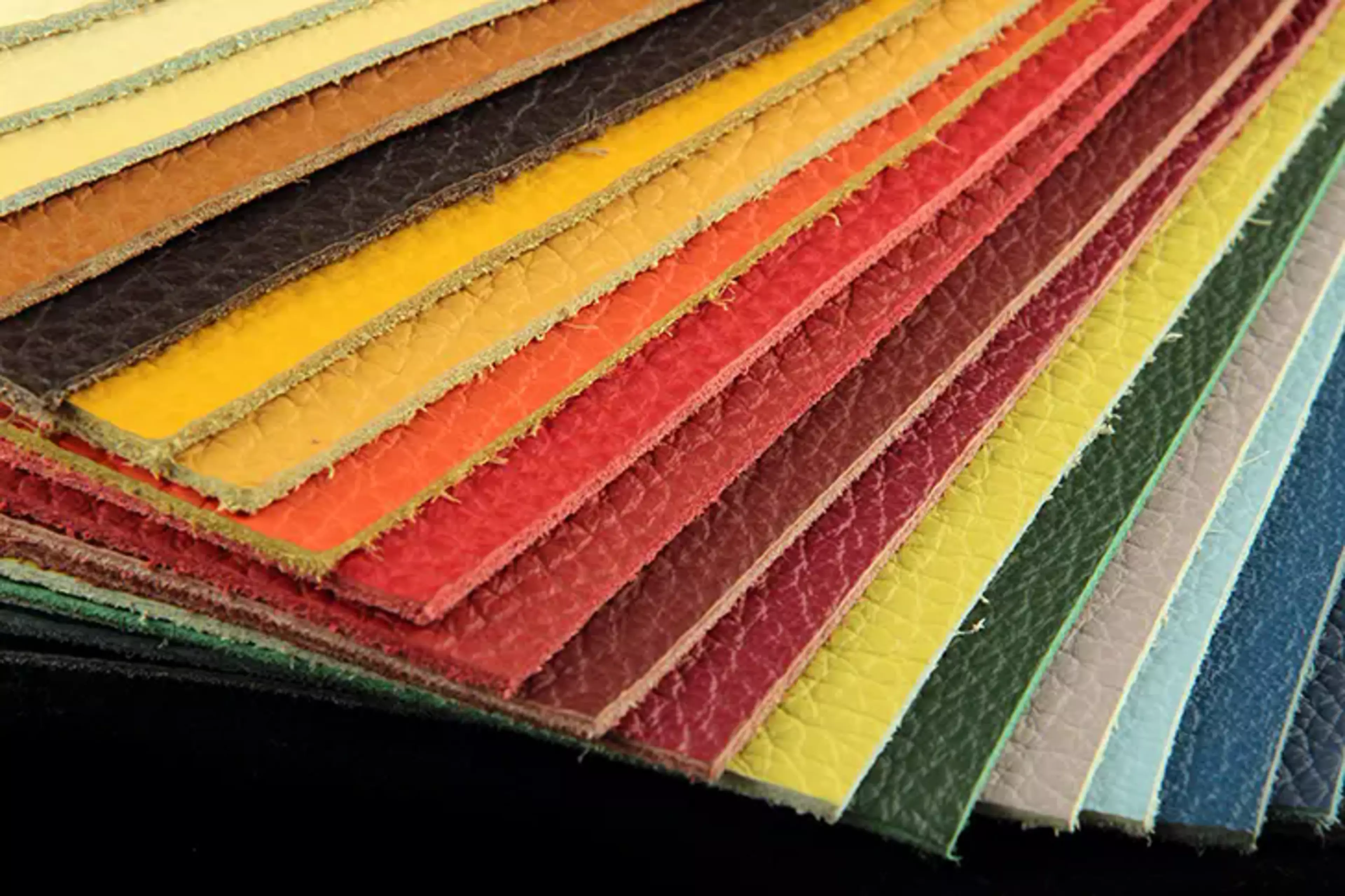
Build a database of colours and tolerances including brand colours, competitor colours, and supplier colour pallets.
Colour Measurement Solutions by Textile Type
The links below will show you more application specific recommendations of products, accessories, software and approaches relevant to distinct areas of the textile industry and contact your local representative for advice or a quotation.