Colour and Gloss Measurement for Pulp and Paper
Solutions for paper, cardboard, and pulp products from fine art paper to egg boxes

How is Colour and Optical Measurement used in the Pulp and Paper Industry?
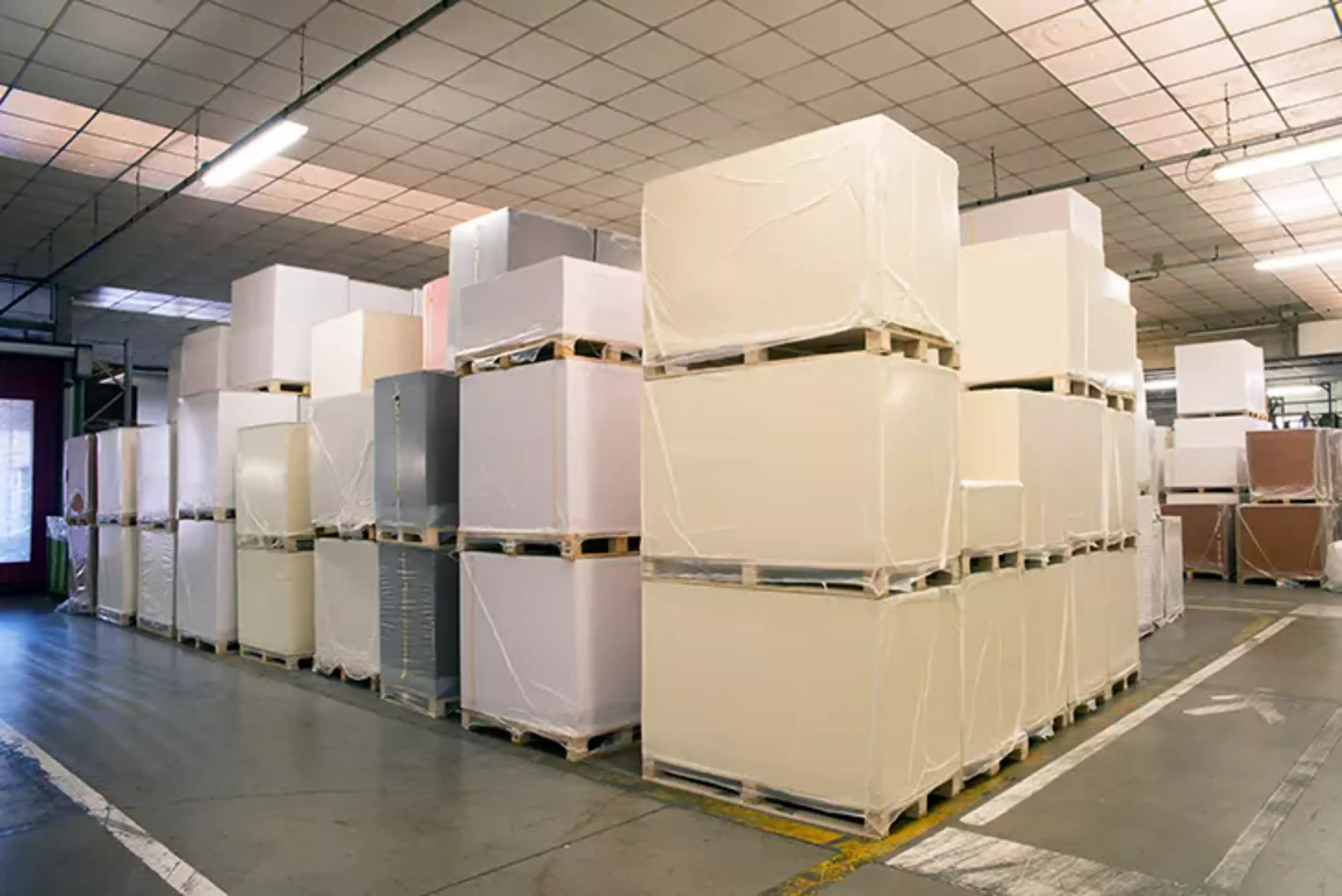
Colour and optical measurement in the pulp and paper industry is used to quantify the appearance and performance of materials throughout production, from pulp processing to finished paper and board. Unlike many other materials, paper products are defined not only by colour, but also by properties such as brightness, whiteness, opacity and fluorescence, all of which influence visual quality and downstream performance. These characteristics are affected by fibre source, bleaching, additives, recycled content and process conditions, meaning that small variations in production can result in noticeable differences in final appearance. Objective measurement is therefore essential to ensure consistent quality, meet specification and support reliable production at scale.
Stage / context | Typical samples / material forms | Measurement focus | Why it matters |
|---|---|---|---|
Raw materials & inputs | Pulp fibres, recycled material, additives, bleaching chemicals | Optical properties and consistency | Ensures raw materials meet specification and prevents variation entering production |
Pulp processing | Pulp suspensions and intermediate fibre material | Brightness, whiteness and colour development | Monitors the effect of bleaching, fibre composition and process conditions |
Paper production | Paper sheets, board, coated or treated materials | Colour, opacity and visual consistency | Maintains stable appearance across reels, sheets and production runs |
Finished products | Paper, board, packaging and specialty grades | Colour specification and approval | Confirms products meet customer requirements and industry standards |
Optical / functional properties | Paper and board substrates | Brightness, whiteness, opacity, fluorescence and tint | Ensures performance in printing, converting and end-use applications |
Downstream processes | Printed, coated or converted paper products | Substrate colour and optical behaviour | Supports predictable print reproduction, coating performance and brand consistency |
In practice, colour and optical measurement in the pulp and paper industry is closely linked to both process control and end-use performance. Measurement data allows manufacturers to detect variation early, adjust processing conditions such as bleaching or additive levels, and maintain consistent appearance across batches and production sites. At the same time, controlling substrate properties such as whiteness, brightness and opacity is essential for downstream applications including printing and packaging, where the appearance of inks and graphics depends on the underlying material. By implementing objective, standardised measurement, organisations can reduce reliance on subjective visual assessment, improve communication with customers and supply chain partners, and deliver more predictable, high-quality products while reducing waste and rework.

Scalable solutions are available to help organisations and their wider value chain to specify, communicate, produce, and control colour.
- Optimise processes
- Improve consistency
- Boost customer satisfaction
- Reduce waste
Colour measurement, using a spectrophotometer, will allow producers to manufacture a consistent product with control of optical brighteners. By controlling these parameters, manufacturers can build a reputation for quality with customers and ensure that specifications and tolerances can be met.
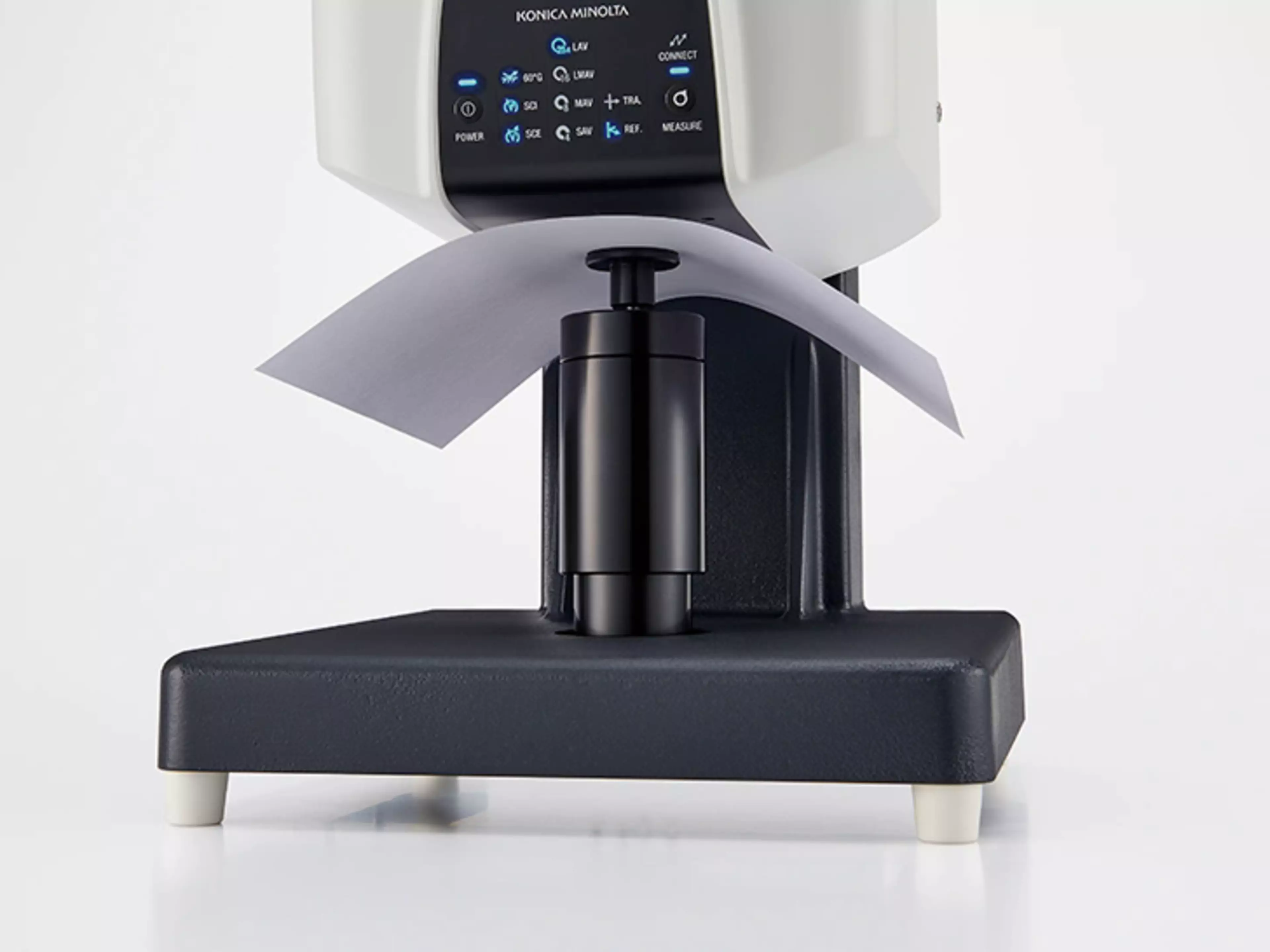
Colour control is a vital tool in the pulp and paper industry, for process control and quality control in order to deliver the most consistent experience for customers in packaging, craft, print, etc.
Benefits of Konica Minolta Measurement Technologies
Objective control of paper appearance
Quantify paper appearance using objective data rather than subjective visual judgement and physical standards. Colour measurement will help you achieve consistent control of shade, whiteness, brightness, opacity and tint, improving the perceived value of products and your value as a supplier.
Support for production and quality control
Measurement data can be used throughout production and final QC to monitor grade consistency and confirm that material meets specification. By preventing out of tolerance product from reaching customers you protect your reputation as a supplier and ensure a quality higher value product in the market.
Measurement of paper-specific optical properties
Paper and board require more than simple colour measurement. Brightness, whiteness, opacity, fluorescence and tint are important in many paper applications. By using a paper-specific system, these properties are efficiently measured and reported in a controlled, repeatable way.
Better communication with customers and suppliers
Traceable optical data helps mills, converters, printers and customers work from shared standards and tolerances. This reduces disagreement that can be caused by sub-optimal visual assessment and supports clearer quality discussions, which can greatly reduce rejects, and wasted time caused by subjective approval processes.
Improved control of recycled and alternative fibres
Recycled fibre and alternative cellulose sources can introduce variation in shade, brightness and opacity. Measurement data helps manufacturers classify, monitor and adjust material quality while supporting sustainability objectives.
Reduced waste and rework
By identifying optical variation earlier in production, manufacturers can take corrective action before large volumes are produced outside specification. This helps reduce rejects, downgraded material and customer complaints.
Support for print and packaging consistency
The shade, brightness and opacity of the substrate affect printed colour, contrast and show-through. Controlling these properties helps improve print predictability and supports consistent packaging appearance.
Example Applications of Pulp and Paper Measurement Technologies
Pulp brightness and bleaching control
Optical measurement can be used to monitor how bleaching and fibre processing affect pulp brightness and colour. This helps mills control process efficiency and achieve target appearance before the pulp is converted into paper or board.
Paper whiteness and tint control
Whiteness and tint measurement helps manufacturers control the visual character of paper grades. This is important for office papers, graphic papers, speciality papers, tissue, packaging papers and premium grades where visual consistency is part of product quality.
Opacity measurement
Opacity measurement helps determine how much show-through may be visible when paper is printed or used in double-sided applications. This is important for printing papers, packaging, labels, board and lightweight papers.
Fluorescence and optical brightener evaluation
Optical brightening agents can strongly influence paper appearance under different lighting conditions. Measurement of fluorescence and related whiteness values helps manufacturers control the effect of brighteners and reduce unexpected visual differences.
Paper shade control for print substrates
The shade of paper affects how inks and printed colours appear. Measuring paper shade helps printers, converters and brand owners improve predictability in print reproduction and reduce variation between material lots.
Packaging board and carton quality control
Board and carton materials need consistent colour, brightness and opacity to support packaging appearance and brand presentation. Measurement data helps control substrate quality before printing, converting or assembly.
Recycled paper and fibre control
Recycled paper streams can vary in colour, brightness, contamination level and fibre composition. Measurement data helps classify incoming material, monitor process consistency and maintain final product appearance.
Customer specification and release testing
Final product measurement provides evidence that paper, board or cellulose-based materials meet agreed tolerances. Results can be used for batch release, customer certificates, internal QC records and supplier communication.