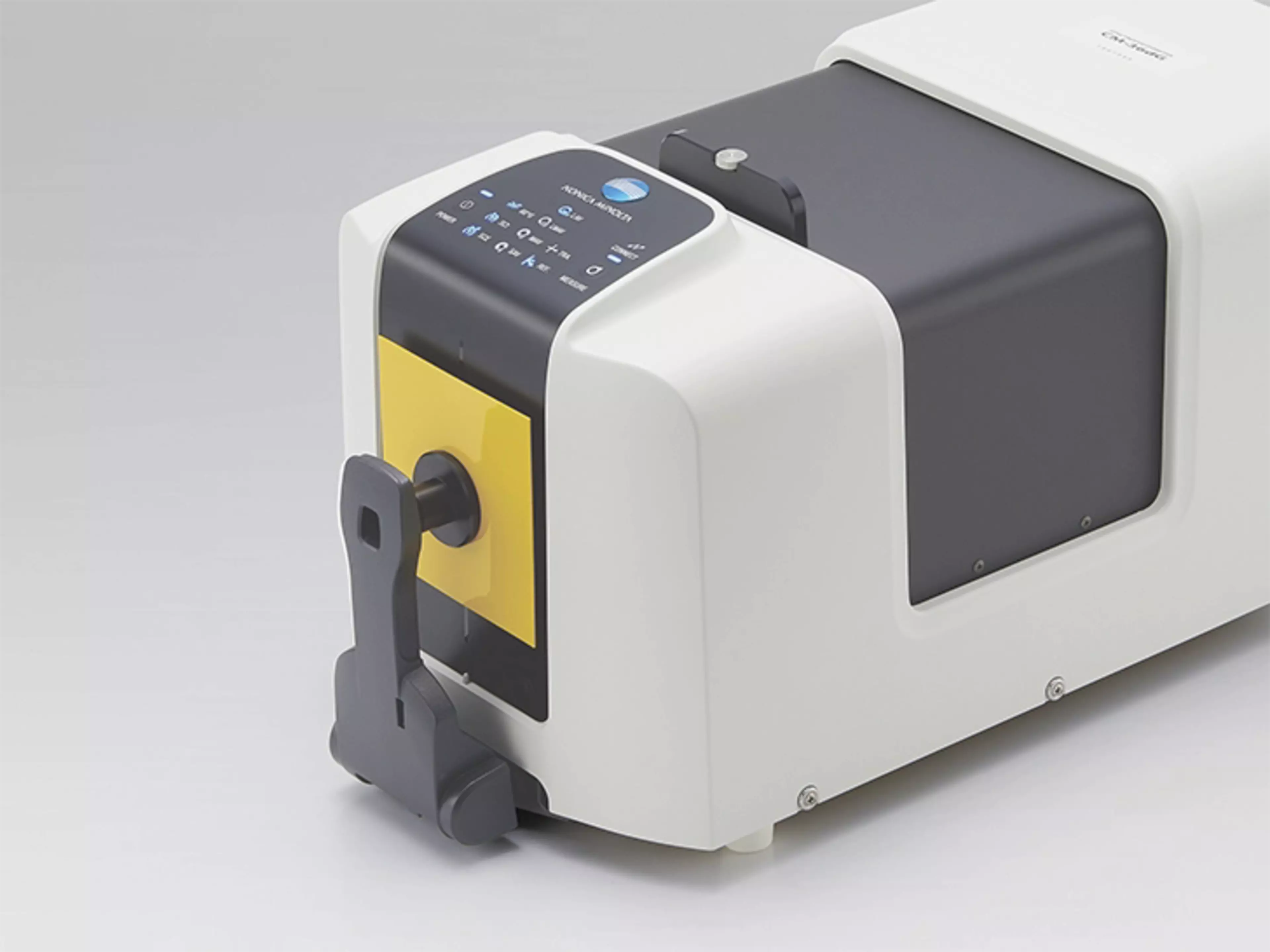
Colour Measurement for the Chemical Industry
Colour measurement for chemical liquids, powders, pastes, pellets, and granules
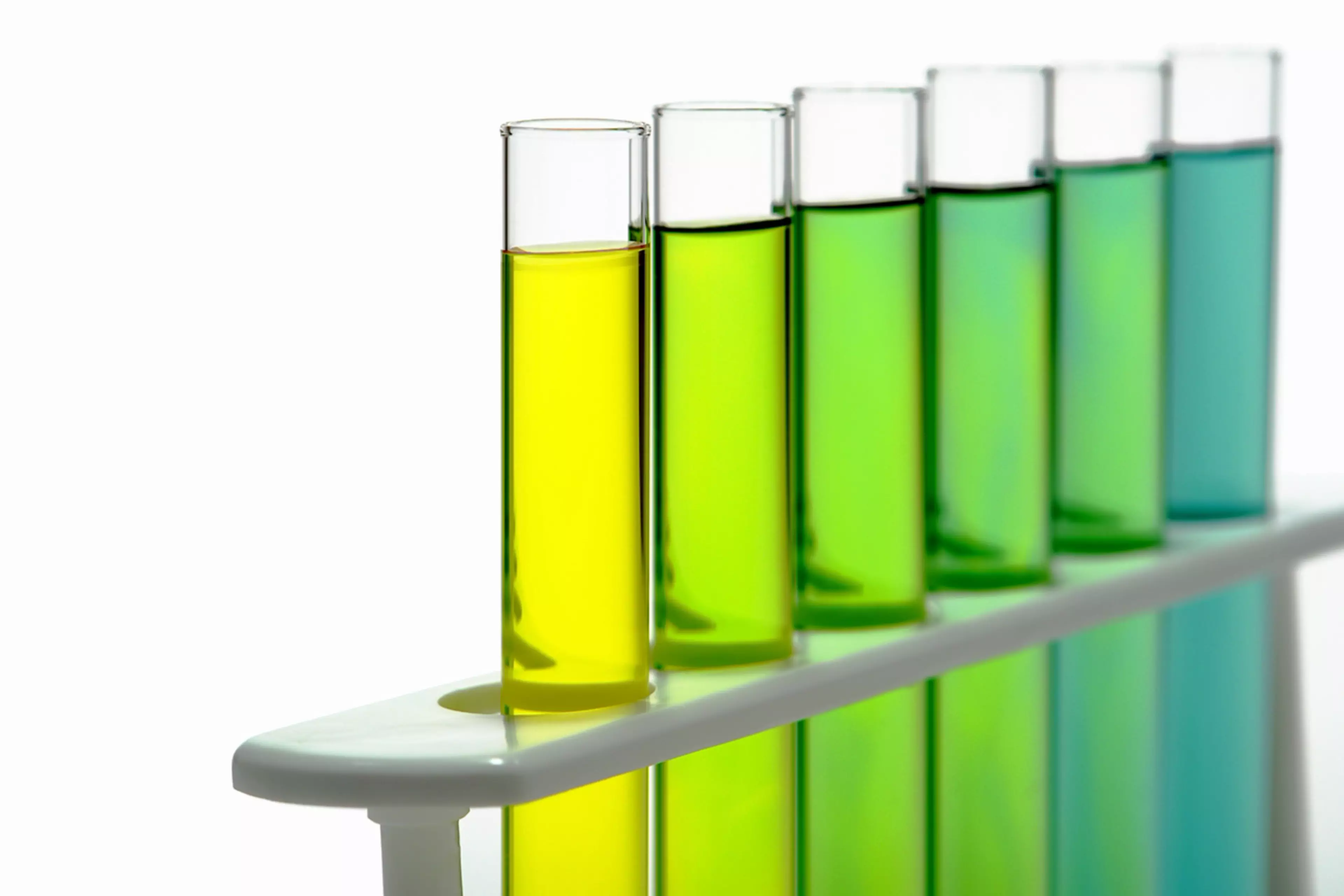
How is colour measurement used in the Chemical Industry
Colour measurement is used in the chemical industry to turn visual appearance into objective, repeatable data. Instead of relying only on visual checks, manufacturers can measure colour values, colour difference and industry-specific colour indices to understand whether products meet the required specification at all stages of production.
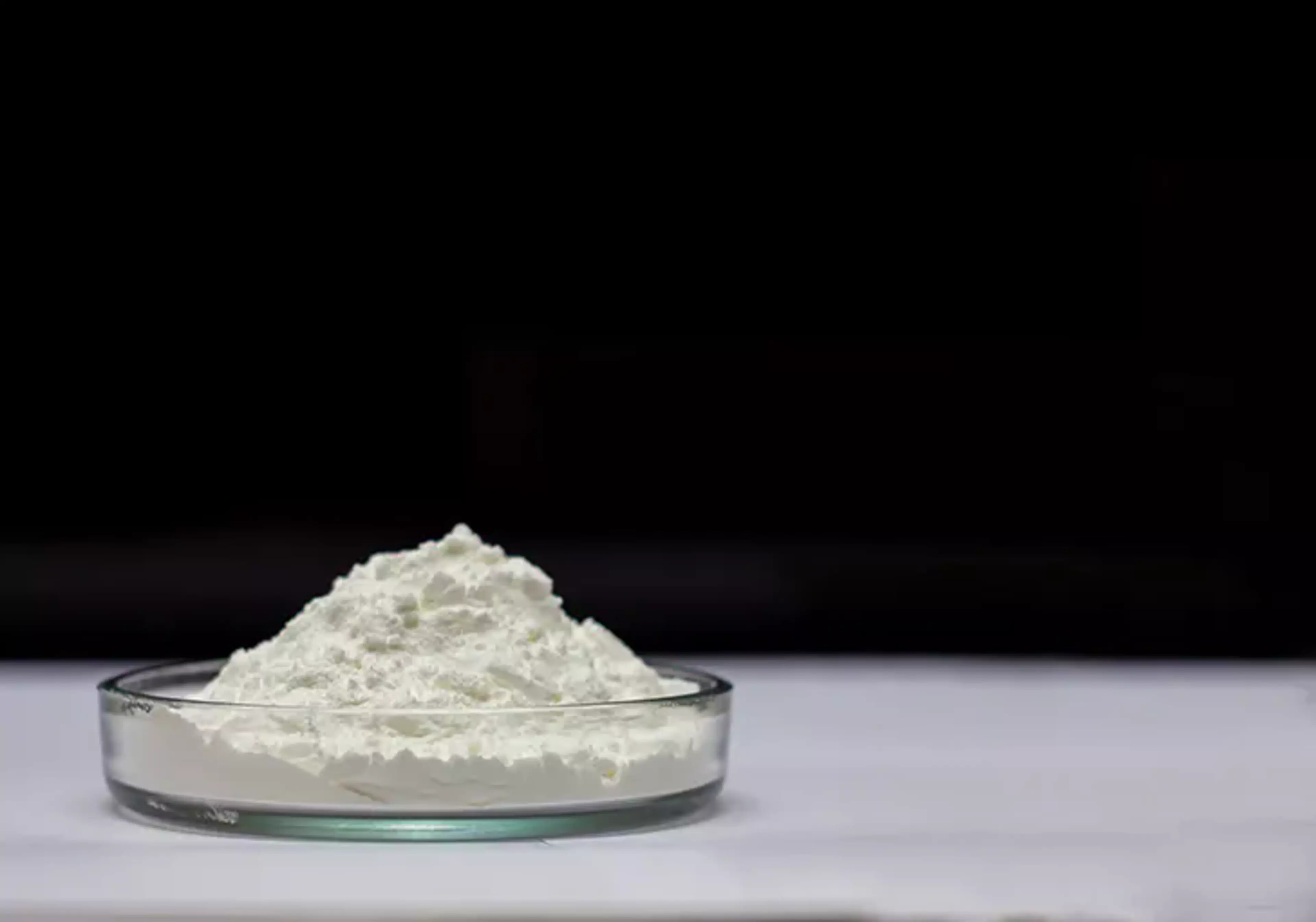
This is important because chemical products can vary widely in form and appearance. Each of the sample types in the chemical industry (see table) require different measurement methods, but the objective is the same: to identify variation early, control production more consistently and provide reliable evidence that the product meets internal, customer or industry requirements.
Stage / context | Typical samples / material forms | Measurement focus | Why it matters |
|---|---|---|---|
Raw materials & inputs | Pigments, powders, pellets, granules, liquid ingredients, resins, additives | Colour consistency | Ensures incoming materials meet specification and prevents variation entering production |
Formulation & development | Mixed formulations, intermediate compounds, reaction samples | Colour change and development | Tracks how appearance evolves during mixing, reaction, dilution or processing |
Production & processing | In-process materials across solid, liquid and semi-solid forms | Process control and variation detection | Identifies drift, contamination or formulation changes during manufacturing |
Finished products | Final chemical products in liquid, solid or paste form | Colour specification and approval | Confirms products meet internal standards, customer requirements or industry indices |
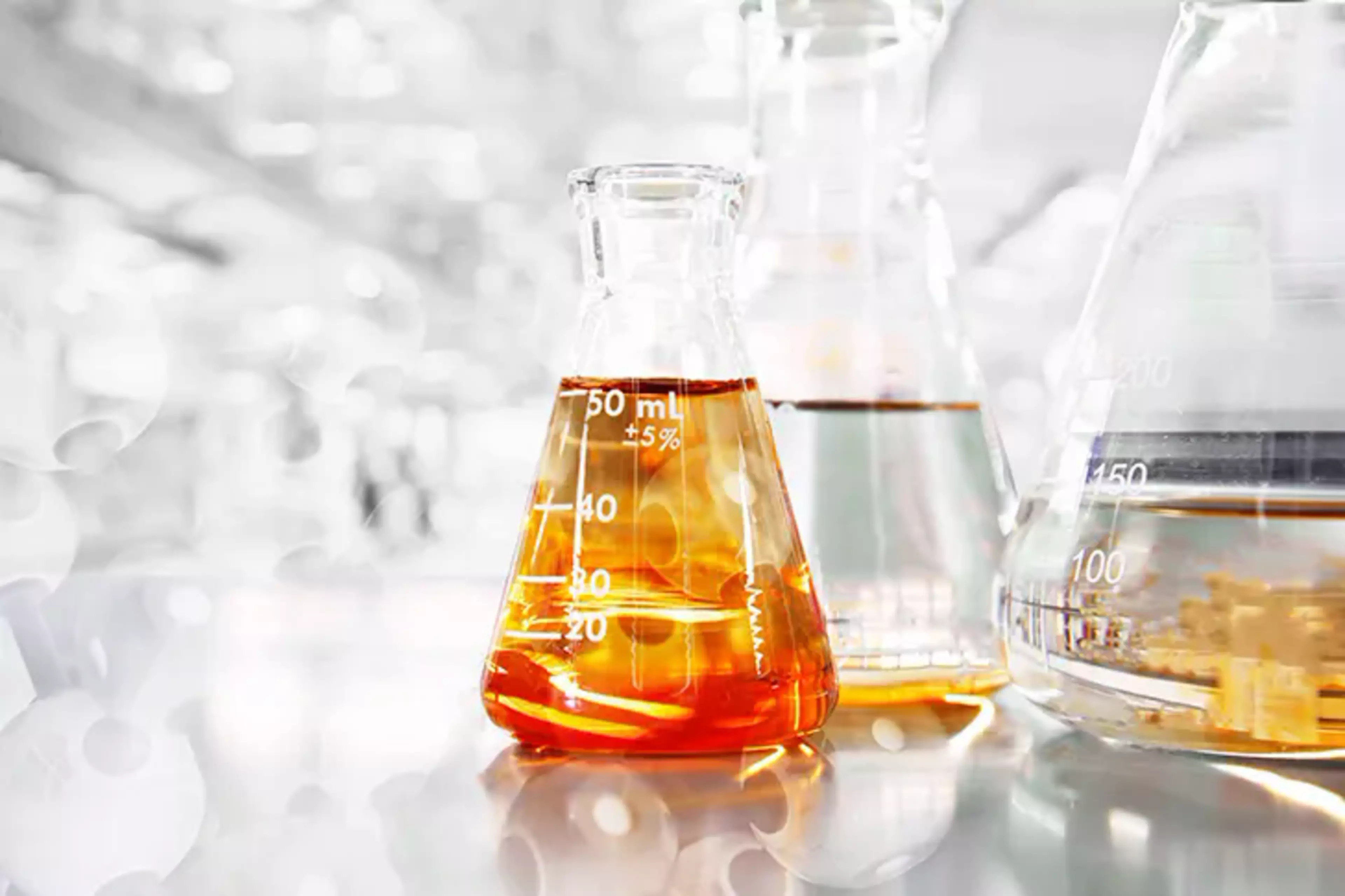
Transparent / translucent systems | Clear or semi-transparent liquids | Colour and transmission properties | Ensures accurate measurement where opacity and light transmission affect results |
Solid & particulate materials | Powders, pellets, granules and bulk solids | Bulk colour and appearance | Provides repeatable measurement of heterogeneous or non-uniform materials across batches |
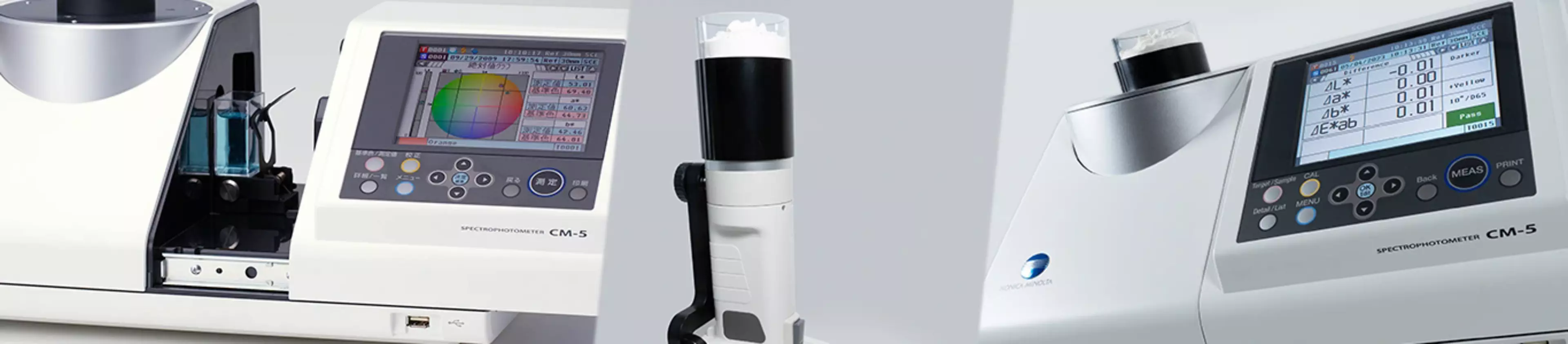
Scalable systems are available for both laboratory and production environments that will enable customers and the wider value chain to record actionable colour and colour difference data.
- Optimise processes
- Analyse and track production
- Take measurements at goods-in or with suppliers
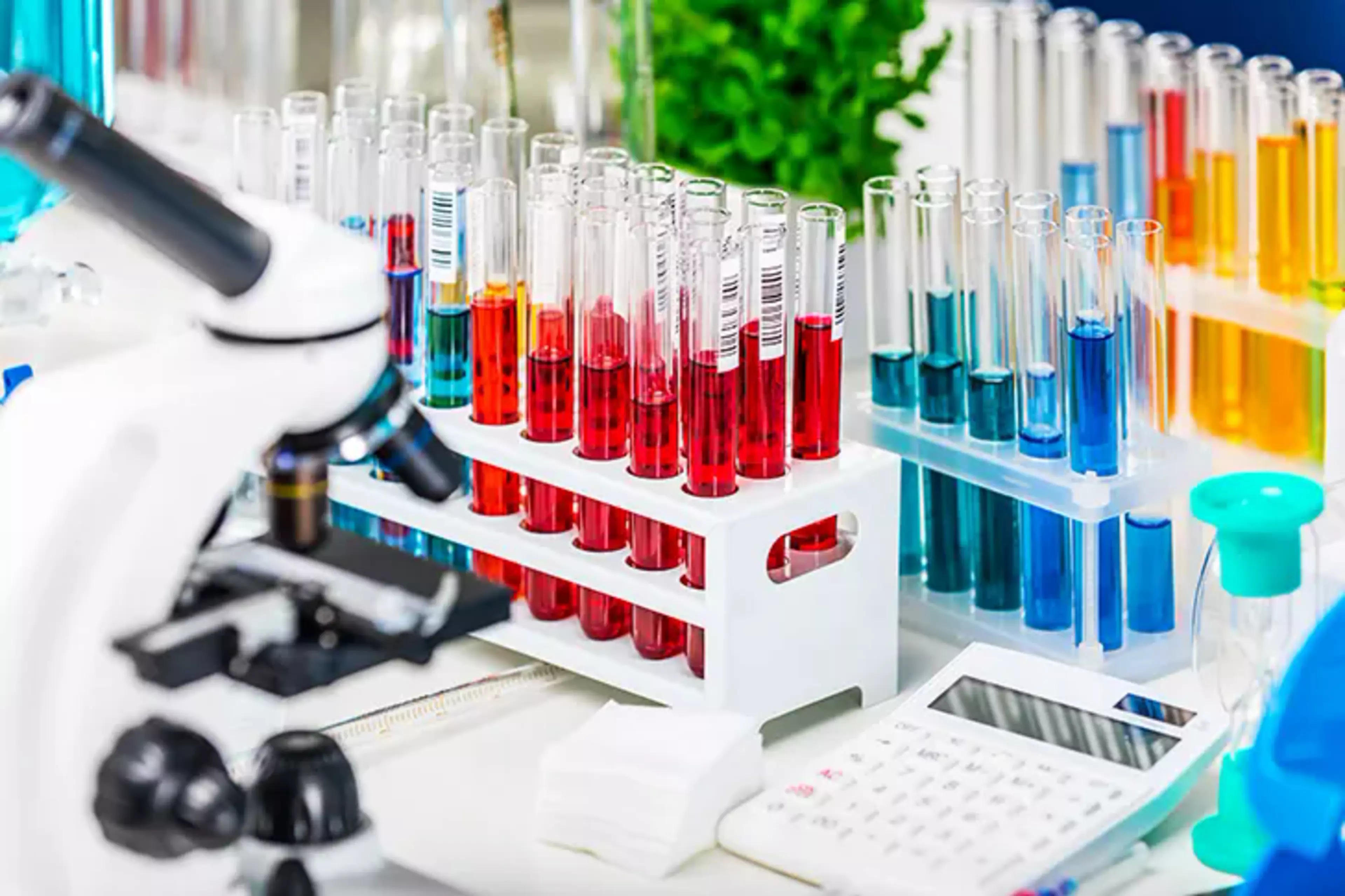
Our measuring instruments help to carry out efficient colour validation during production and objective and traceable QC.
Benefits
- Process improvements: Our rapid and high-precision measurement instruments minimise costs and help to minimise production errors.
- Universal solutions: Our instruments can be used for almost any kind of samples in solid, granule, paste, or liquid form.
- Operate your measurement instrument with a small, medium or large measurement aperture with a choice of many different sized petri-dishes.
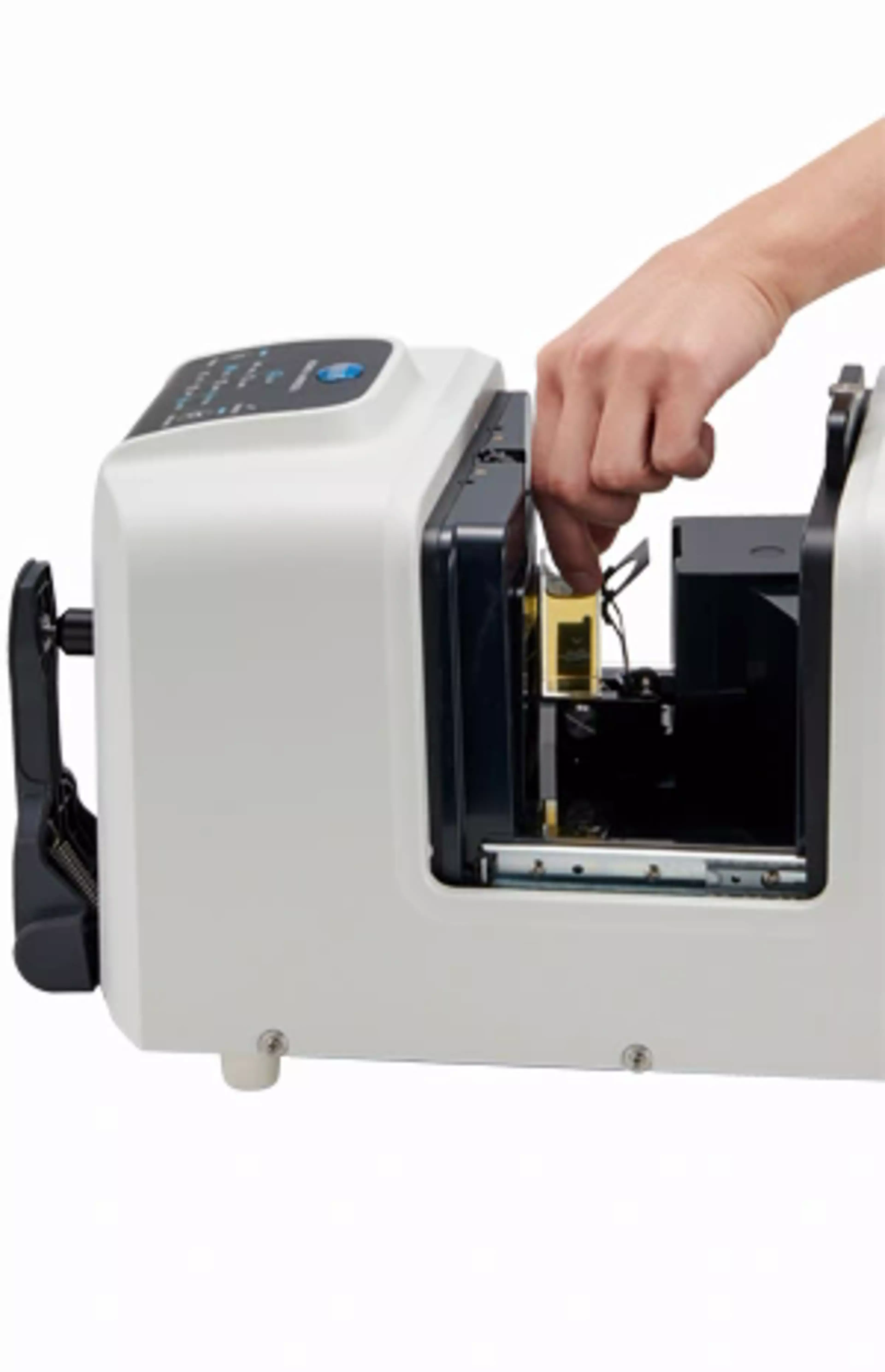
- Transparent samples are measured in a large, accessible transmittance chamber with a choice of cuvette depth to suit your sample.
Example Applications
- Chemical products such as powders, pellets, granules, pastes, and liquids require different measurement methodology. Our expert teams can help you to select an instrument and accessories to make sure you’ll be able to measure the colour as well as other industry specific metrics in reflection or transmission, such as e.g. APHA, correlated Haze, Gardner Scale, yellowness, and whiteness.
The spectrophotometer CM-5 can fulfil a vast range of colour measurement roles in the laboratory, measuring colour samples either in reflectance or transmittance. Data can be viewed on the built-in display using the most commonly used colour scales and indices or connected to colour data software for local or cloud databases.
Solutions for the Colour Measurement of Chemicals