Colour and Gloss Measurement for Pharmaceutical and Personal Care Products
Colour, haze, consistency, and quality control for pills, liquid medicines, cosmetic powders, shampoos, soap bars, etc.

How is Colour Measurement used in the Pharmaceutical and Personal Care Products Industries
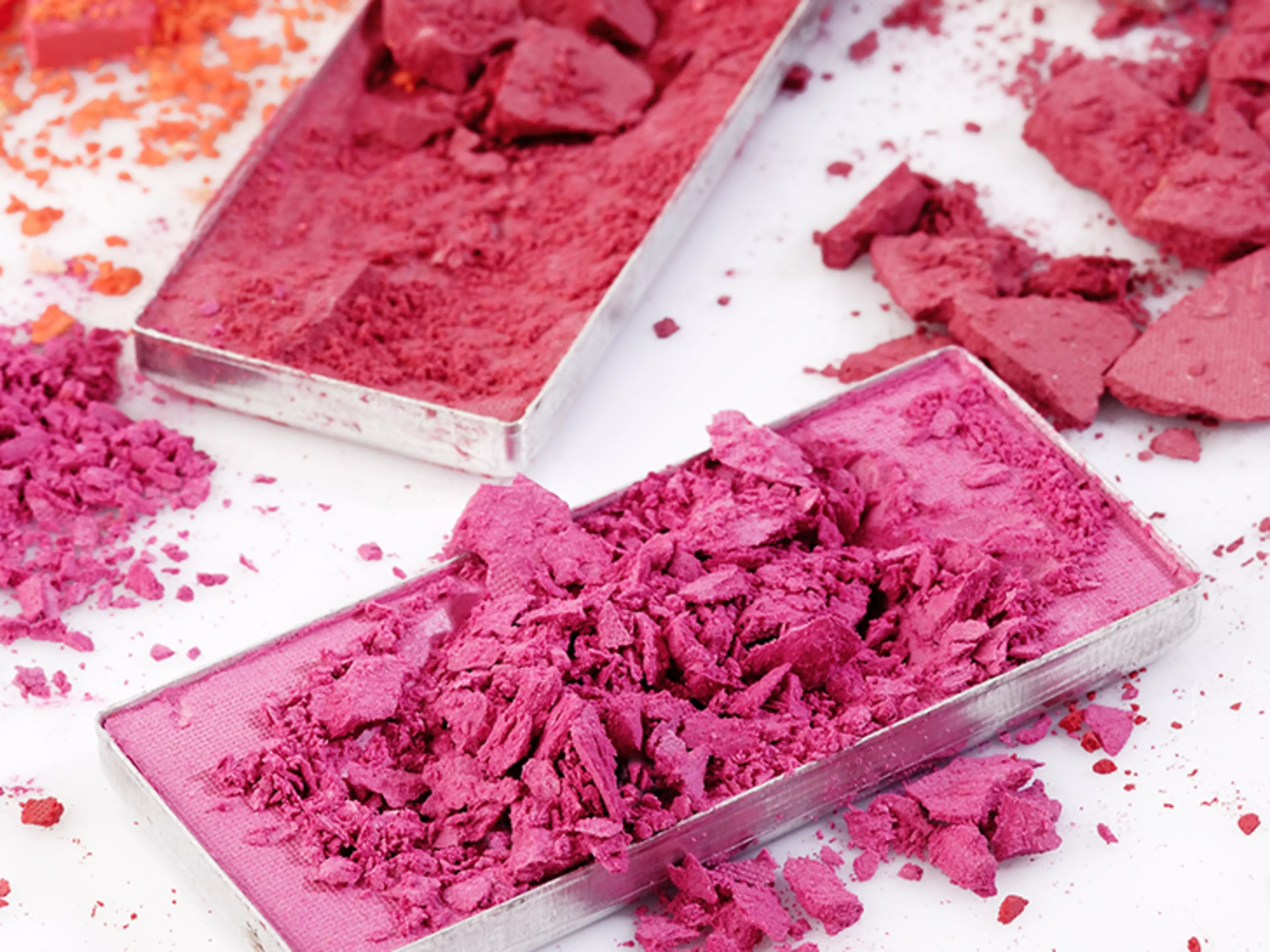
Colour and appearance measurement in pharmaceutical and personal care products plays a critical role in ensuring product consistency, quality and user trust across development, production and quality control. Unlike many other industries, products in this field can exist in a wide range of forms and optical behaviours, from powders and tablets to transparent liquids, creams and gels. These variations introduce specific challenges, as colour may be influenced by opacity, haze, texture or formulation changes, requiring different measurement approaches to generate accurate and repeatable data.
Stage / context | Typical samples / product forms | Measurement focus | Why it matters |
|---|---|---|---|
Raw materials & inputs | Active ingredients (APIs), powders, pigments, liquid ingredients | Colour consistency | Ensures incoming materials meet specification and avoids variation entering production |
Formulation & development | Intermediate blends, compounds, laboratory samples | Colour development, benchmarking, testing, correction and optimisation | Evaluates how formulation, concentration or processing affects final appearance |
Production & processing | Liquids, creams, gels, powders and semi-solid preparations | Process control and variation detection | Identifies changes caused by mixing, heating, ageing or contamination |
Finished products | Tablets, capsules, liquid medicines, cosmetics and toiletries | Colour specification and approval | Confirms batch-to-batch consistency and compliance with quality standards |
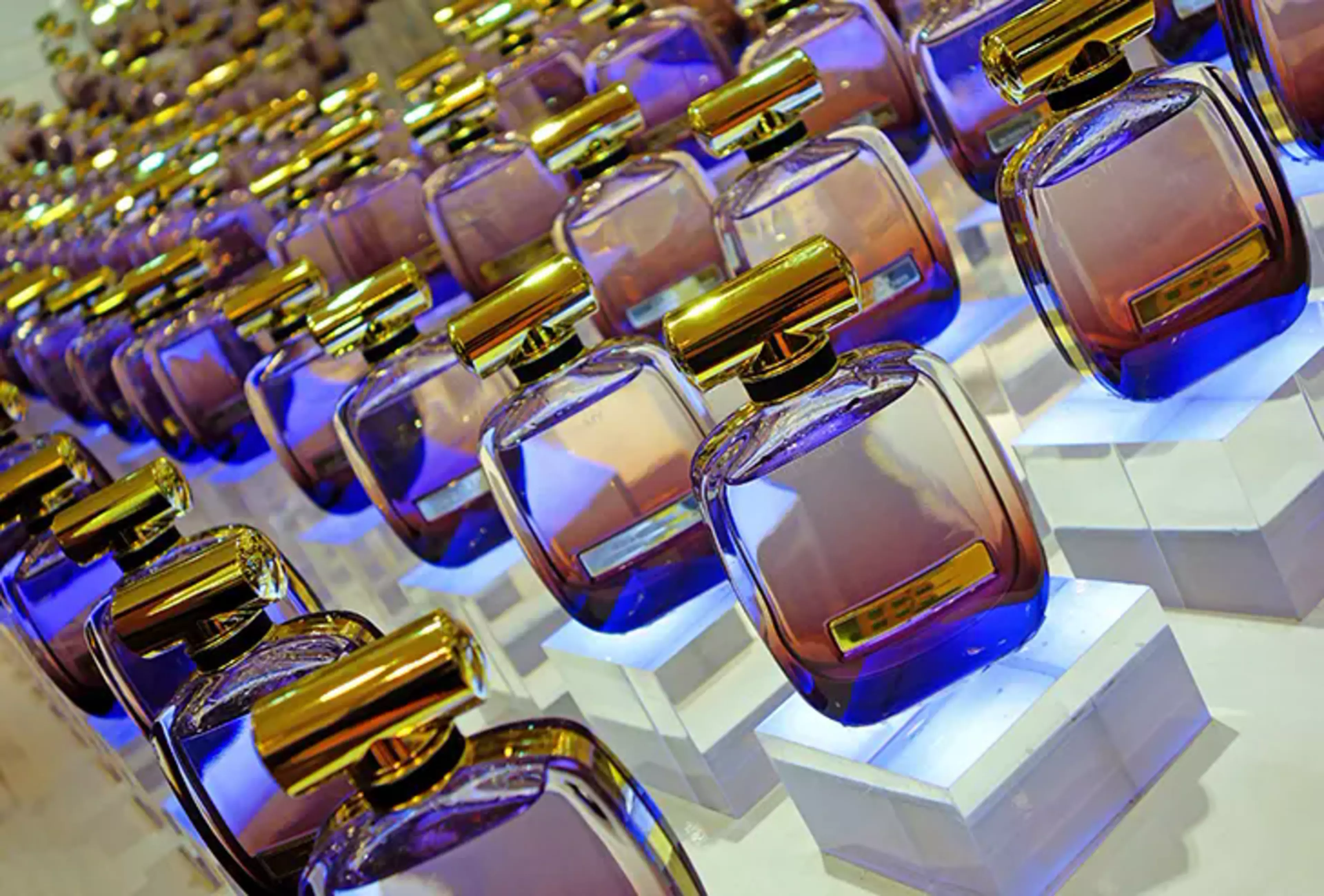
Transparent / optical systems | Clear or translucent liquids such as medicines, oils and perfumes | Colour, clarity and haze | Ensures correct perception where light transmission influences appearance |
Sensory / application-based measurement | Cosmetics, skin, hair and applied products | Visual appearance and effect | Supports product design, efficacy testing and user experience evaluation |
In these industries, colour is both a quality attribute and a functional indicator. For pharmaceutical products, even subtle colour variation can signal changes in formulation, stability or purity, and consistency between batches is essential to maintain confidence and meet regulatory expectations. For personal care products, colour is closely linked to brand identity, perceived effectiveness and user experience, while additional factors such as gloss, texture and interaction with skin or packaging further influence perception. Objective measurement systems allow manufacturers to replace subjective visual checks with traceable data, improving control across complex formulations and diverse product forms.

In the pharmaceutical industry, consistent product gives customers peace of mind that their medicine is the same from one batch to the next.
For personal care products, familiarity, brand loyalty, and perceived quality / effectiveness are all tied to colour. The physical characteristics of personal care products such as colour, clarity, smell, and texture are a part of the user experience and should be designed and controlled as such.
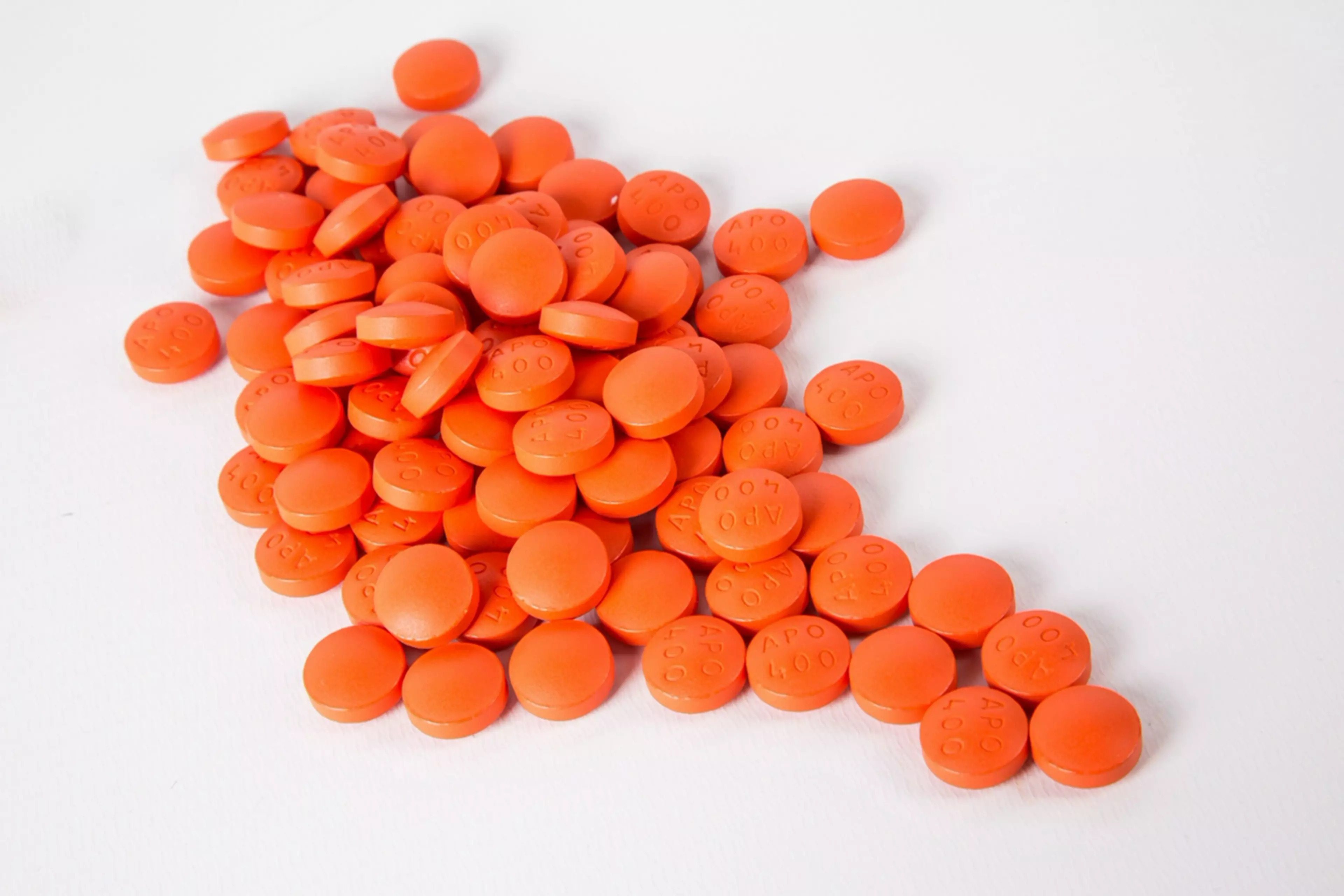
Studies have demonstrated the role that colour can play in the placebo effect.
Benefits
Produce consistent quality: Batch to batch consistency improves customer and end user satisfaction and perception of quality, reducing returns and waste.
Colour is a sales tool: Colour measurement offers new possibilities for range extension and control of the customer experience. For personal care products, colour can help a product to appeal to new customers.
Colour is a service: For contract manufacturers, the ability to offer customers colour data from a quality control system and the resulting consistency marks you as a reliable partner who offers an added value service.
Colour measurement as a process tool: applying colour measurement in development, understanding the impact of control of raw materials, mixing, heating, pressing, etc. provides improved control over end product which results in improving consistency, reducing waste, and improves the organisation’s ability to react to market changes.
Example Applications
Reducing resistance to medicines for children by improving visual characteristics, improving experience.
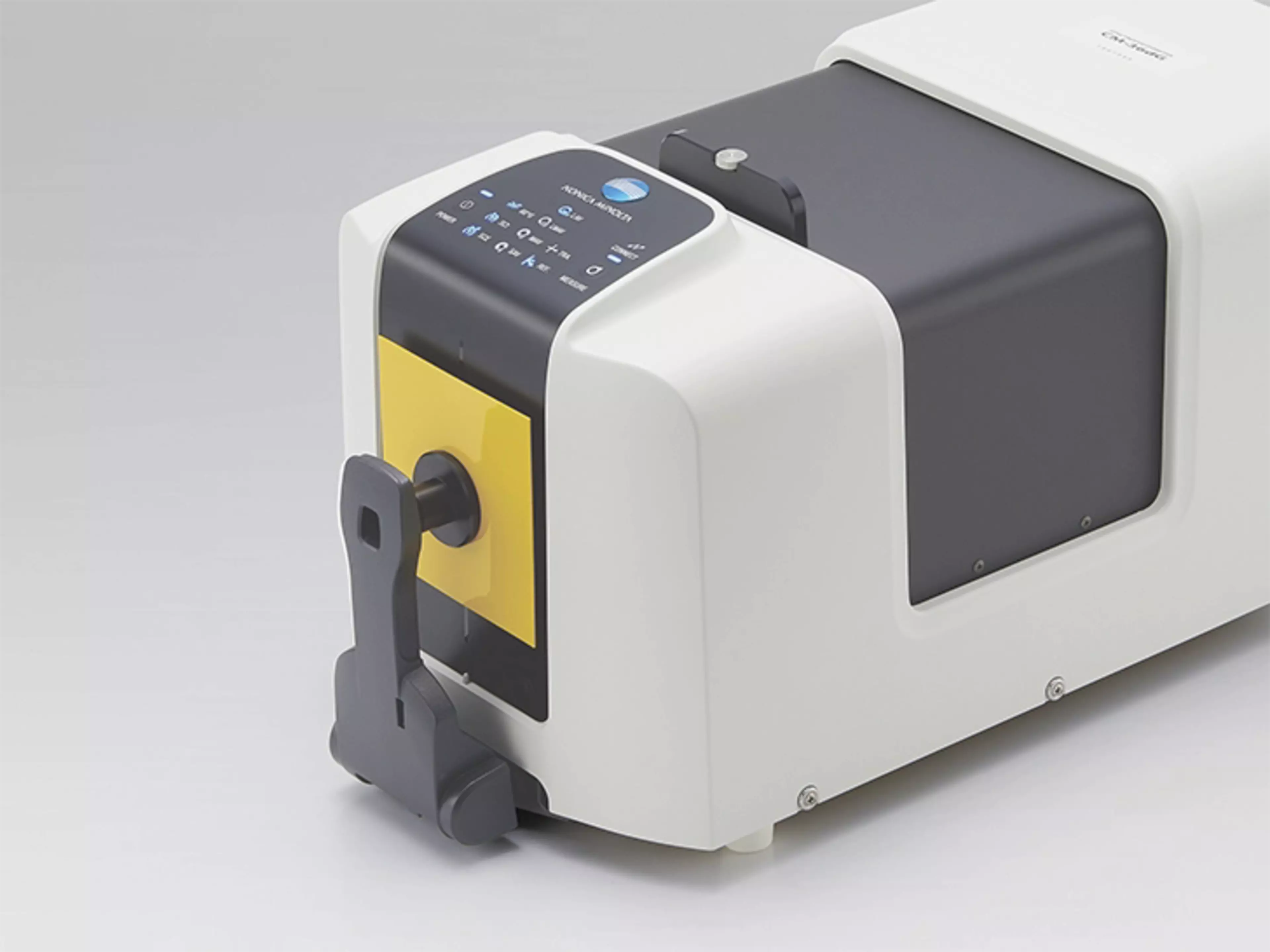
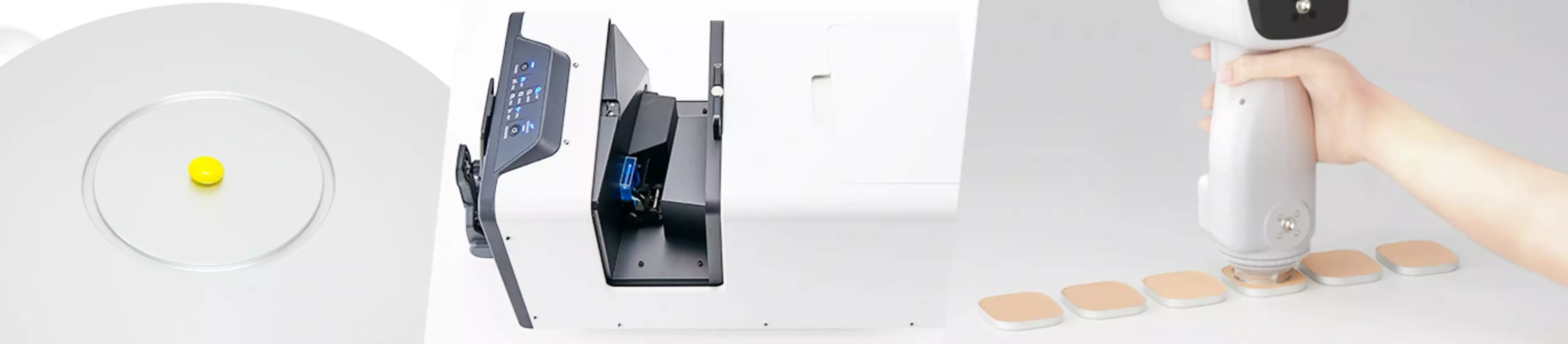
A benchtop spectrophotometer can deliver analysis and quality control data to meet company and industry standards.
Tighter tolerances in product colour of pharmaceutical products reducing waste, end user enquiries, improving confidence, and aiding in the fight against counterfeit products.
Consumer preference testing of the colour of new products to maximise shelf appeal.
Testing of efficacy of products for washing skin and hair, and of the colour and effect of hair dyes and cosmetic products.
Formulating products that fit within brand colours and existing ranges or establishing manufacturing in new territories.
Solutions for the Colour Measurement of Pharmaceutical and Personal Care Products