Colour and Surface Measurement for Building Materials
Scalable colour and surface measurement solutions for concrete, wood, tiles, metal, glass, ...

How is colour measurement used in the building materials industry
In the building materials industry, colour and surface measurement is used to define, develop and control the appearance of materials across production and supply chains. Because these materials are often large in size and used in large visible areas, small variations in colour or finish can significantly affect perceived quality (read Precise Colour Communication to learn how scale impacts colour perception), making consistent, objective measurement essential.
Stage / context | Typical materials | Measurement focus | Why it matters |
|---|---|---|---|
Raw materials & inputs | Pigments, mineral powders, resins, binders | Colour consistency | Ensures stable formulation and reduces variation in downstream production |
Development & formulation | Concrete mixes, coatings, composites, liquid systems | Colour definition and evaluation | Defines target appearance and evaluates how formulation changes affect colour |
Production | Tiles, panels, extrusions, coated and formed materials | Colour and surface consistency | Maintains consistent appearance across batches, lines and production sites |
Finished materials | Construction products, architectural surfaces | Colour and appearance | Confirms products meet specification before delivery or installation |
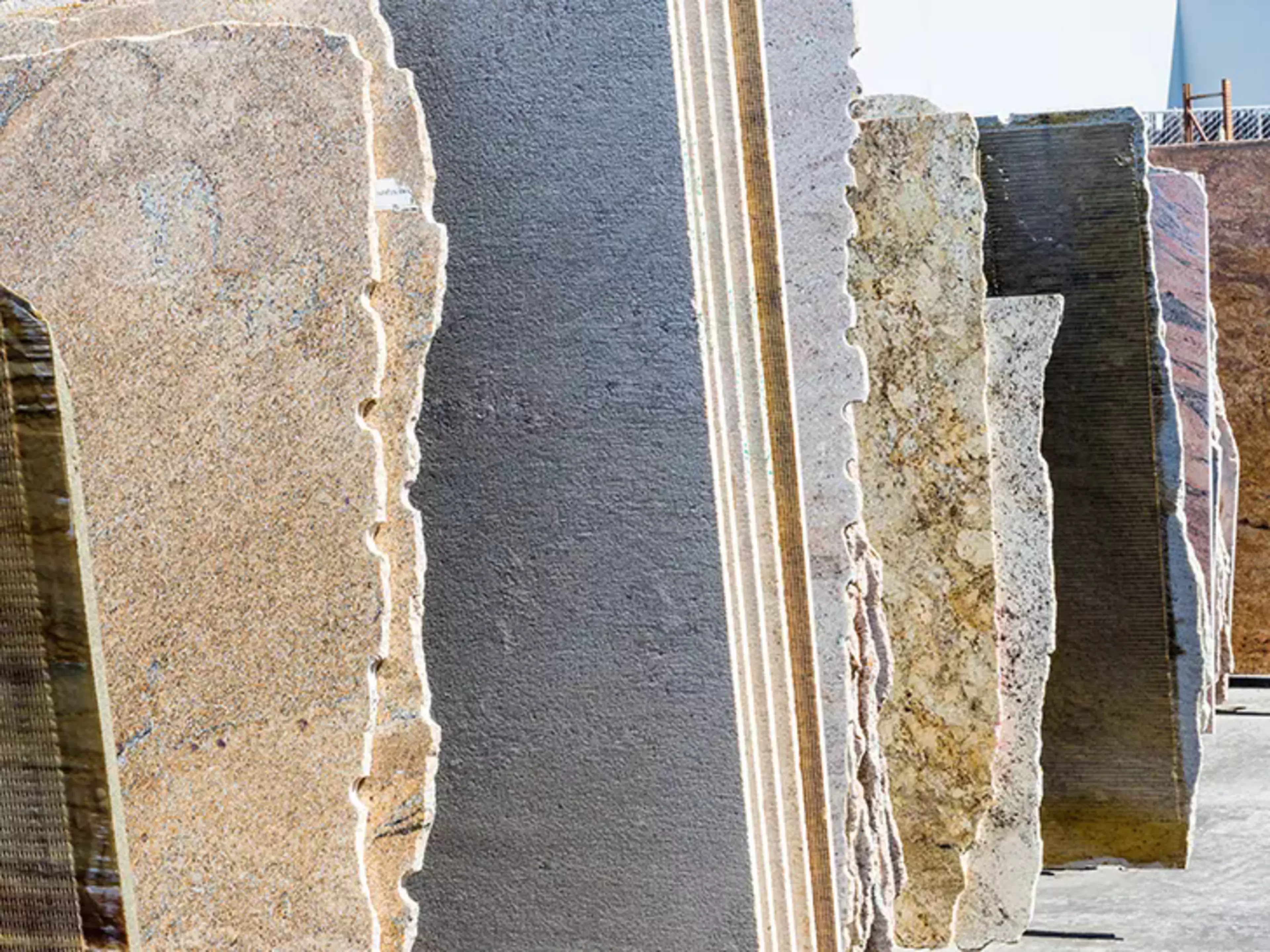
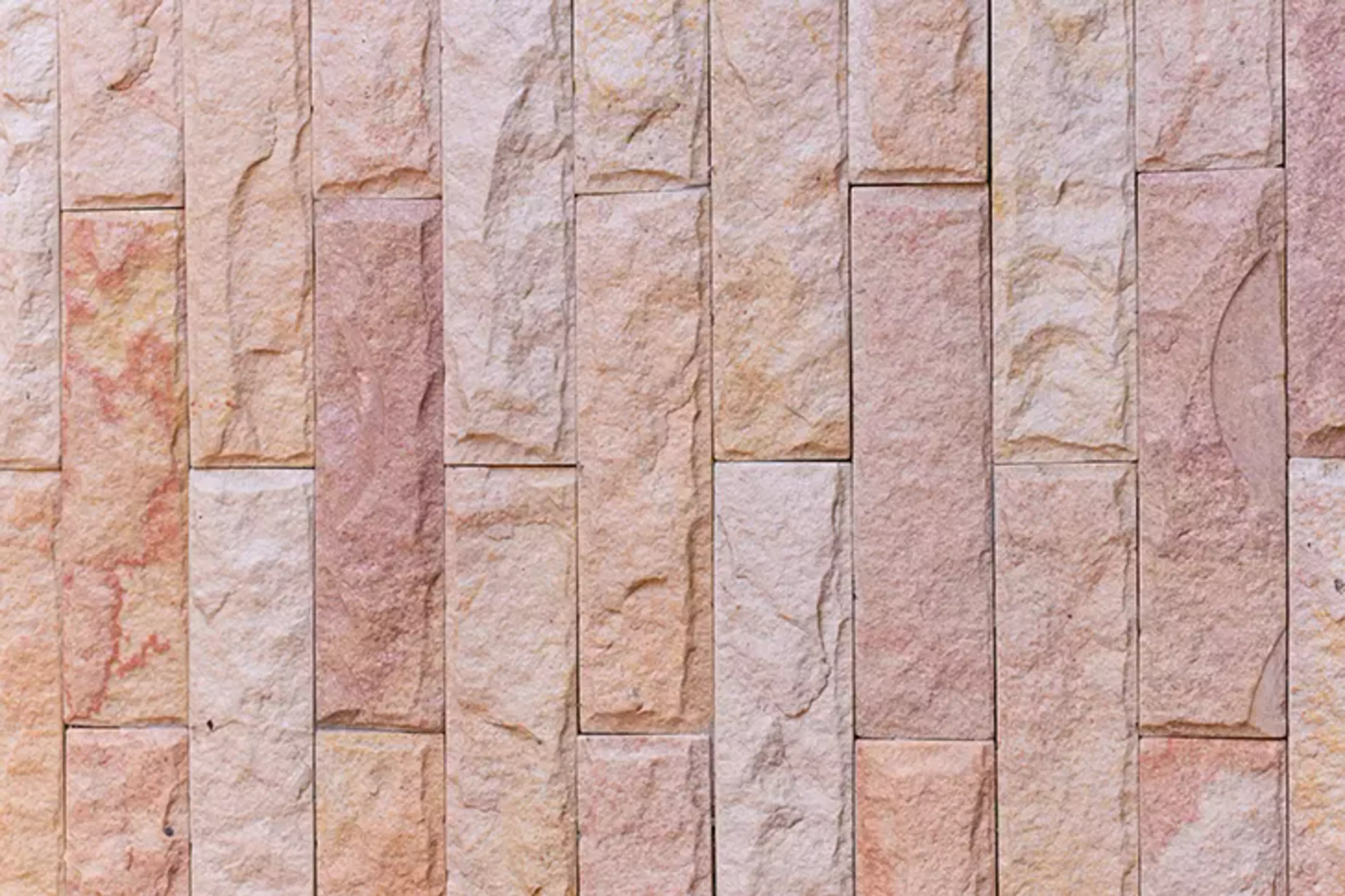
Natural & textured materials | Stone, wood and other visually variable surfaces | Appearance averaging, shade sorting | Enables repeatable characterisation of materials with inherent variation |
Transparent / translucent materials | Glass, glazing, plastic panels | Colour and transmission properties | Ensures consistent appearance where light transmission affects perception |
The appearance quality of these materials is influenced not only by colour (which can also be impacted by texture and opacity) but also by surface characteristics such gloss. These factors affect how light interacts with a material and how colour is perceived, making objective measurement with the correct measurement geometry critical for achieving consistent visual results across different materials and surface types. Konica Minolta measuring instruments provide a consistent and repeatable method for comparing materials to defined standards, reducing reliance on subjective visual assessment and enabling clearer communication between manufacturers, suppliers and contractors throughout the supply chain.


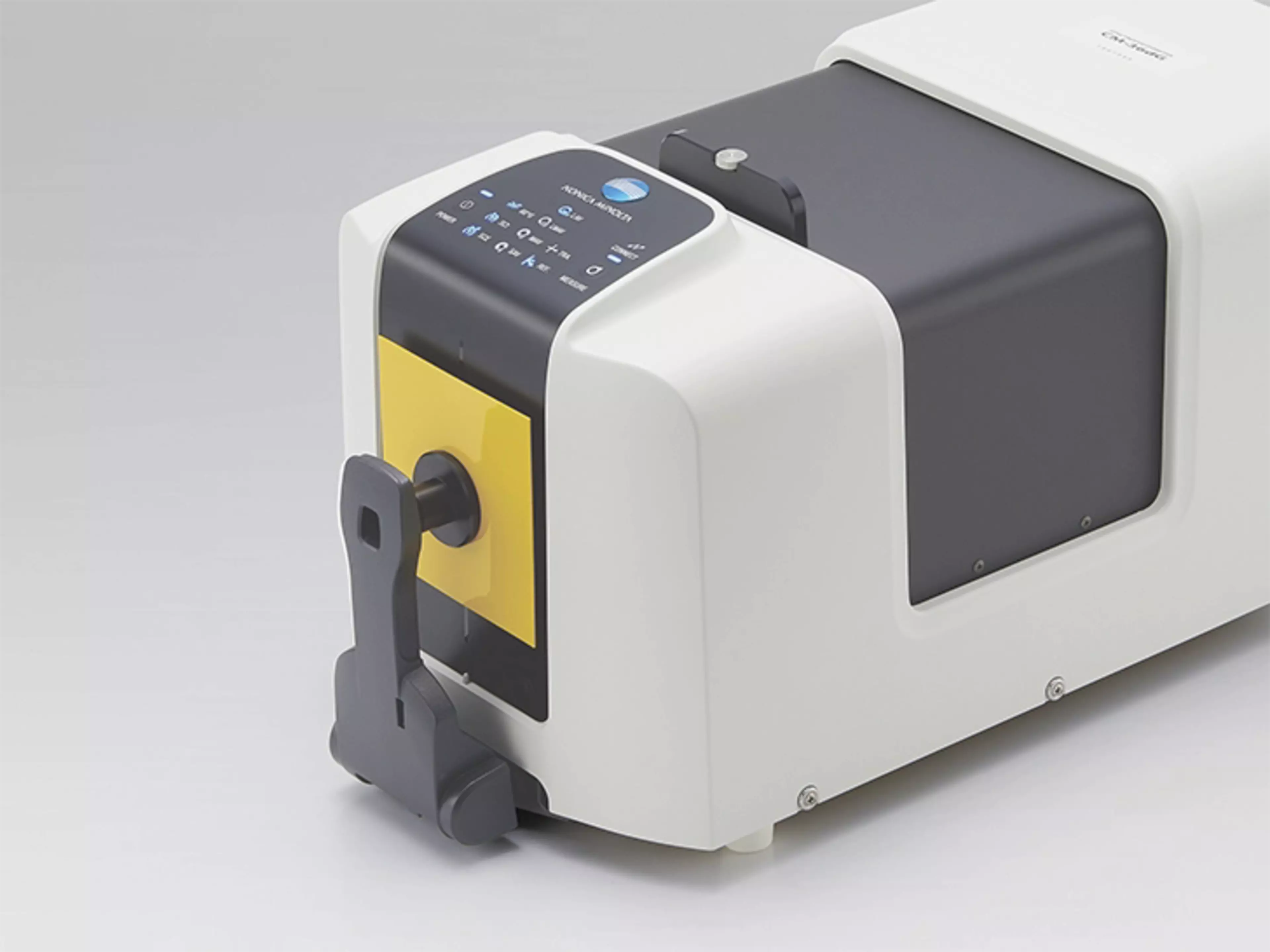
Colour measurement, using either a spectrophotometer or tristimulus colorimeter (depending on the sample), will allow producers to offer customers a consistent product with a higher perceived quality and therefore value. The application specialists at Konica Minolta have a vast experience of building product applications including:
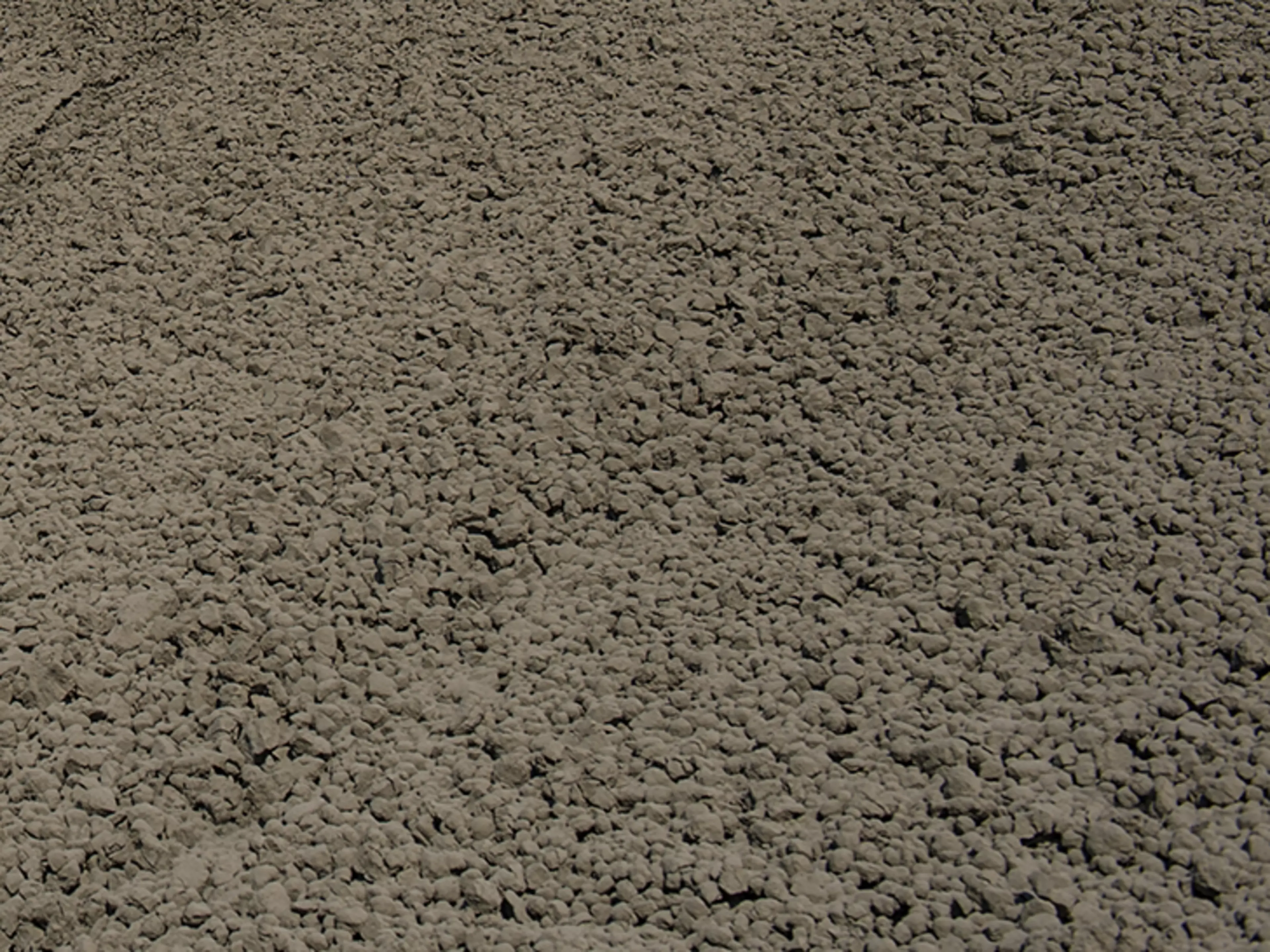
- Concrete and cement,
- Industrial metalwork,
- Slate,
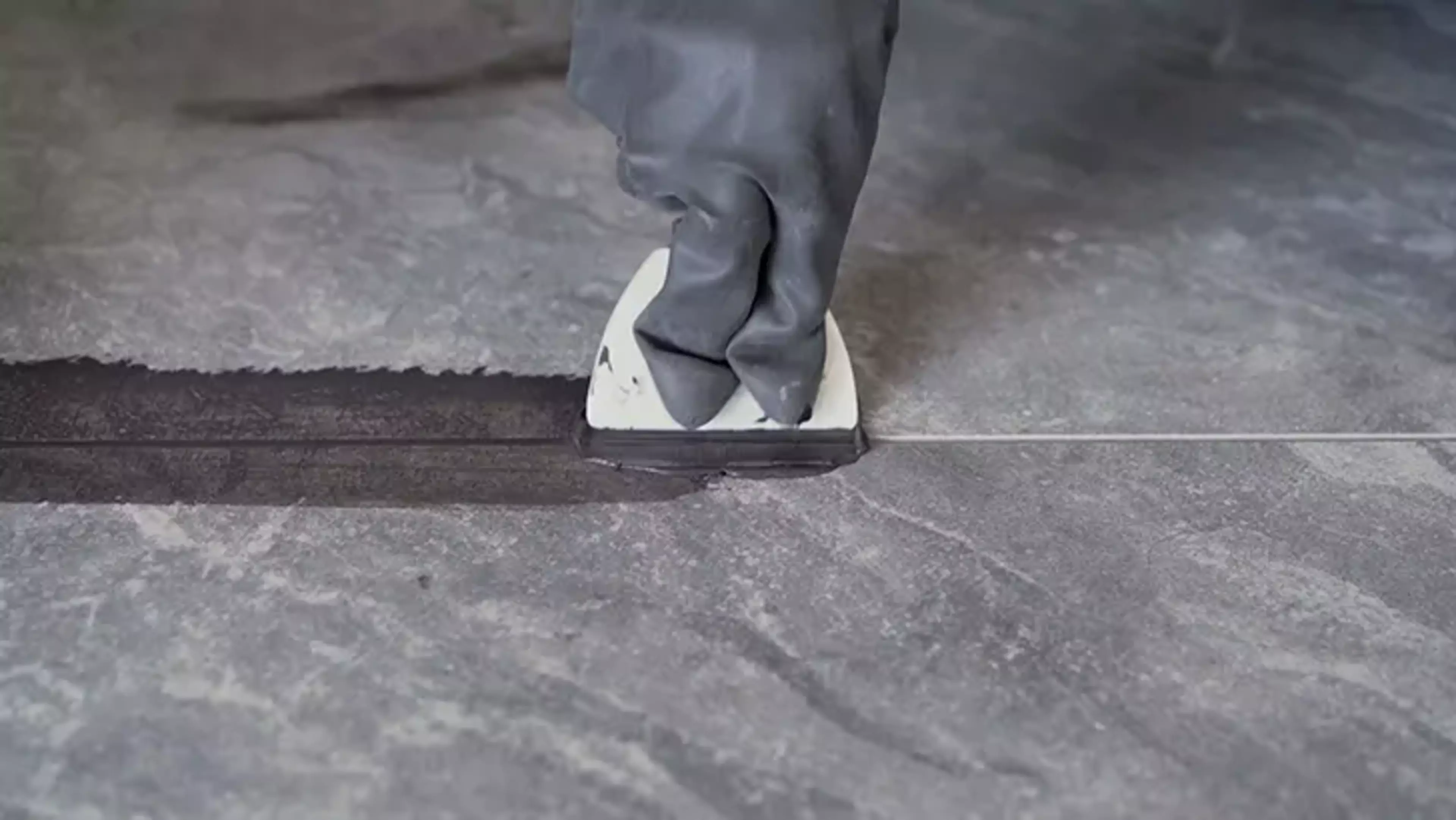
- Colour matched grouting, etc
Colour control is a vital tool in the construction materials industry
Key Benefits of Colour and Surface Measurement in the Building Products Industry
Produce consistent quality
Ensure reliable batch-to-batch consistency that meets both visual expectations and measurable tolerances. By replacing subjective assessment with objective colour data, you improve product quality, strengthen brand perception, and reduce costly returns or rework.
Use colour as a sales and differentiation tool
Accurate colour matching supports customisation, allowing you to respond to trends or new customer specifications. A repeatable and documented colour process allows you to confidently deliver consistent, market-ready products that meet both B2B requirements and consumer expectations.
Reduce waste and improve efficiency
Detect even small colour deviations quickly and objectively, especially critical for large-format products where differences are more visible. Early detection of off-spec production reduces scrap, minimises rework, and improves overall manufacturing efficiency. Colour measurement systems are proven to reduce waste and save time across development and production.
Deliver colour as a value-added service
Strengthen relationships with customers and suppliers by communicating colour using traceable, digital colour data. Providing measurable, agreed standards reduces disputes, improves transparency, and positions your organisation as a reliable, quality-driven partner across the supply chain.
Turn weathering performance into a competitive advantage
Quantify how products respond to light, time, and environmental exposure using colour data. This enables R&D teams to improve formulations and durability, while providing sales and marketing with measurable proof of performance, supporting stronger claims around quality, lifespan, and reliability.
Example Applications of Colour Measurement in Building Materials
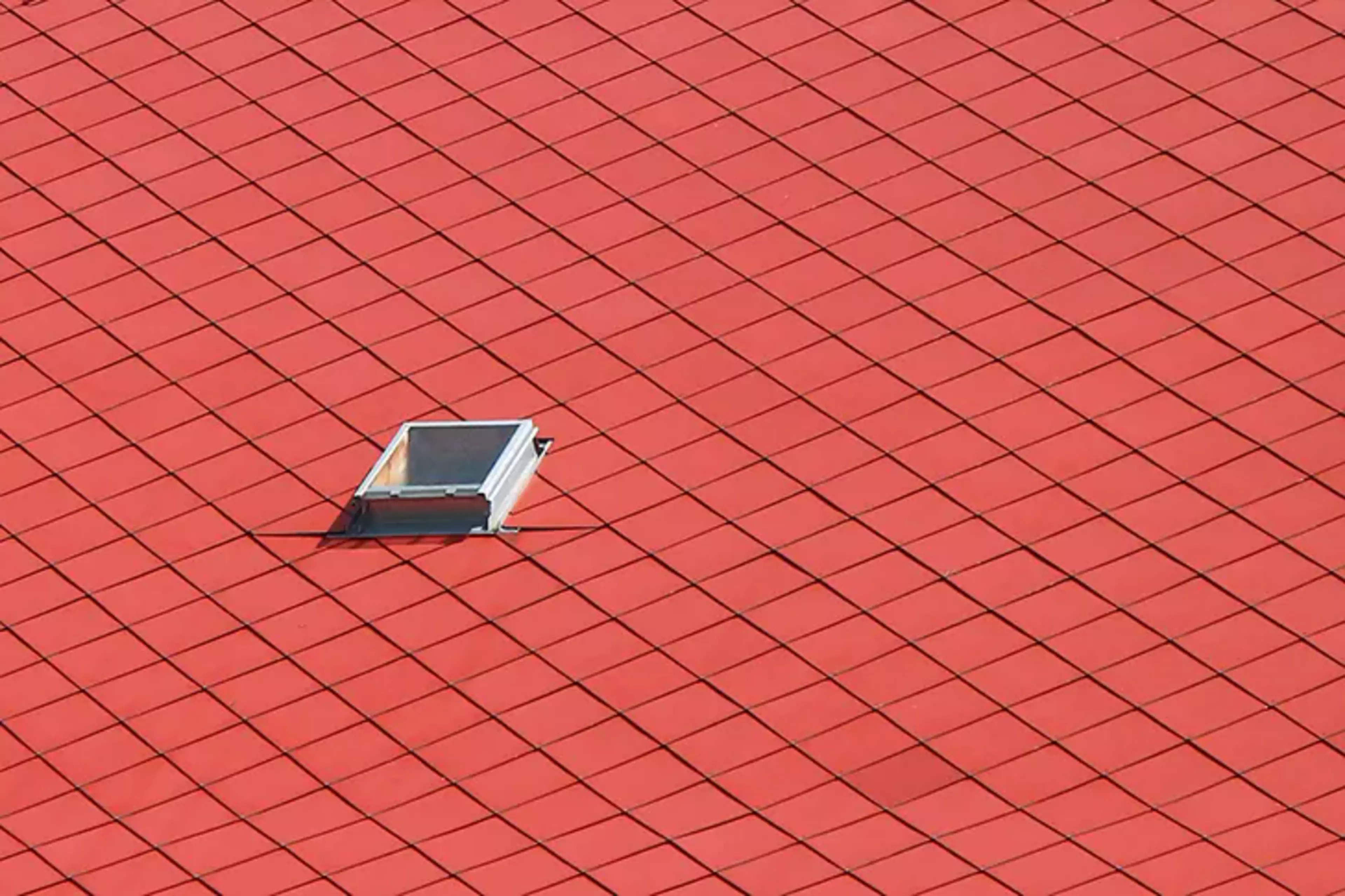
Consistent colour and gloss control for roof tiles
Ensure consistent appearance across production batches by measuring and controlling both colour and gloss. By defining, maintaining and agreeing tolerances, manufacturers can deliver reliable products that meet specification, reducing disputes and rework.
Shade sorting for wood and natural materials
Implement shade sorting systems to group products such as wood flooring based on small colour variations. This ensures visual harmony during installation, reduces rejects and returns, and can support optimisation of filler colours to further minimise waste.
Expanded colour ranges for sealants, grouts and coatings
Enable the efficient development and production of wider colour ranges by using objective colour data for formulation and control. This allows manufacturers to confidently meet customer specifications and respond to trends while maintaining consistency from batch to batch.
Quality control of façade panels and architectural elements
Maintain consistent colour across façade panels, cladding and other large-format building materials. Measurement systems ensure products meet customer specifications and provide visual uniformity across installations, even when produced across different batches or sites.
Solutions for Colour and Gloss Measurement of Building Products
The links below will show you more application specific recommendations of products, accessories, software and approaches relevant to distinct areas of the building products industry. You can also contact your local representative for advice or a quotation.
Colour and Gloss of Opaque Building Material
Colour and gloss measurement of solid building products covers a huge array of product types, everything from wood, stone, metal, builders ware and other plastics. As colour difference is more easily noticable on larger surfaces, manufacturers implement colour QC to deliver a consistent product to customers.
Colour and Gloss Measurement for Transparent Buildng Materials
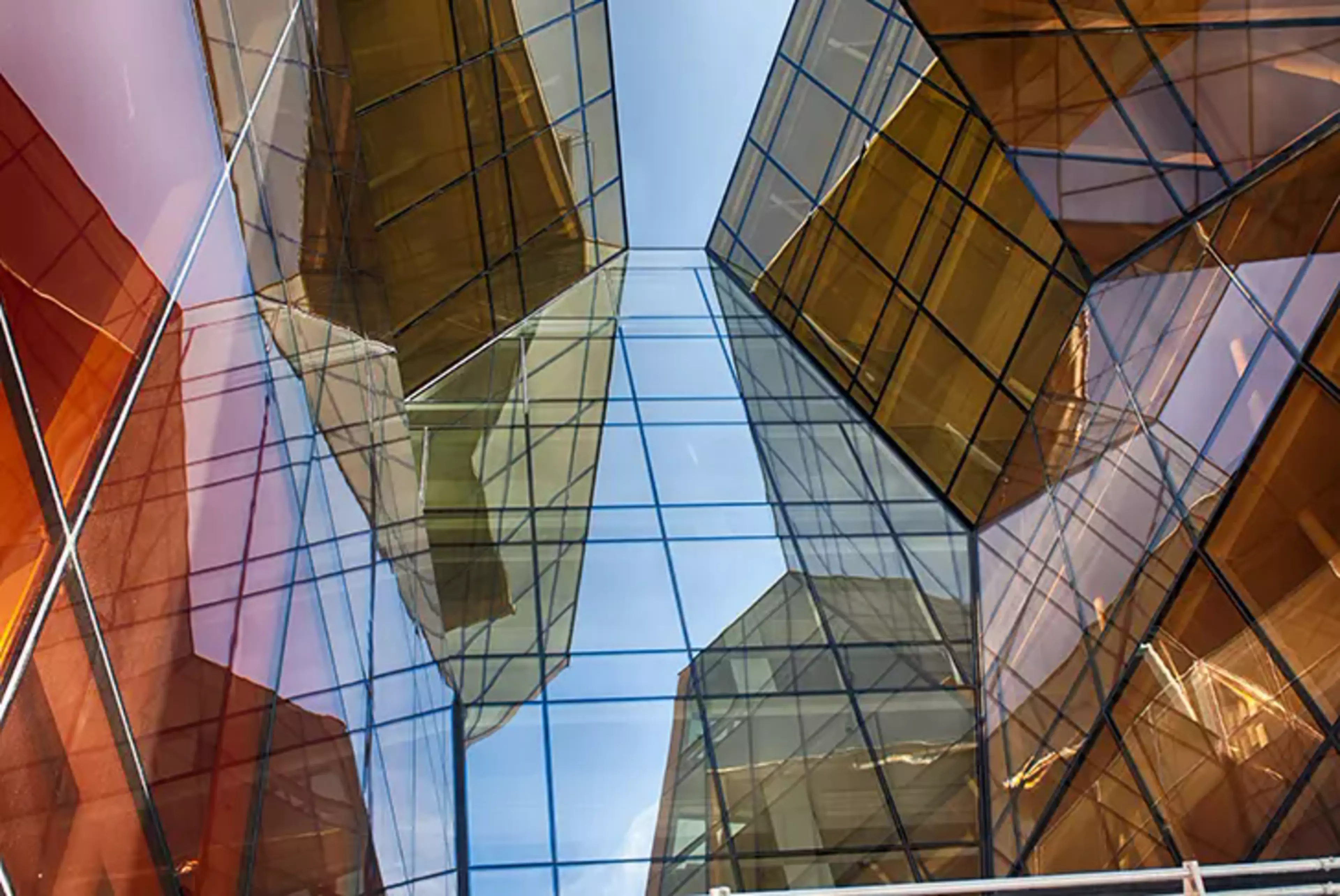
Products such as coloured glass, films and transparent plastics are often used in commercial building projects to add flair and visual appeal. Like any other product, their development and processing can be controlled to maximise the percieved quality of the finished product.