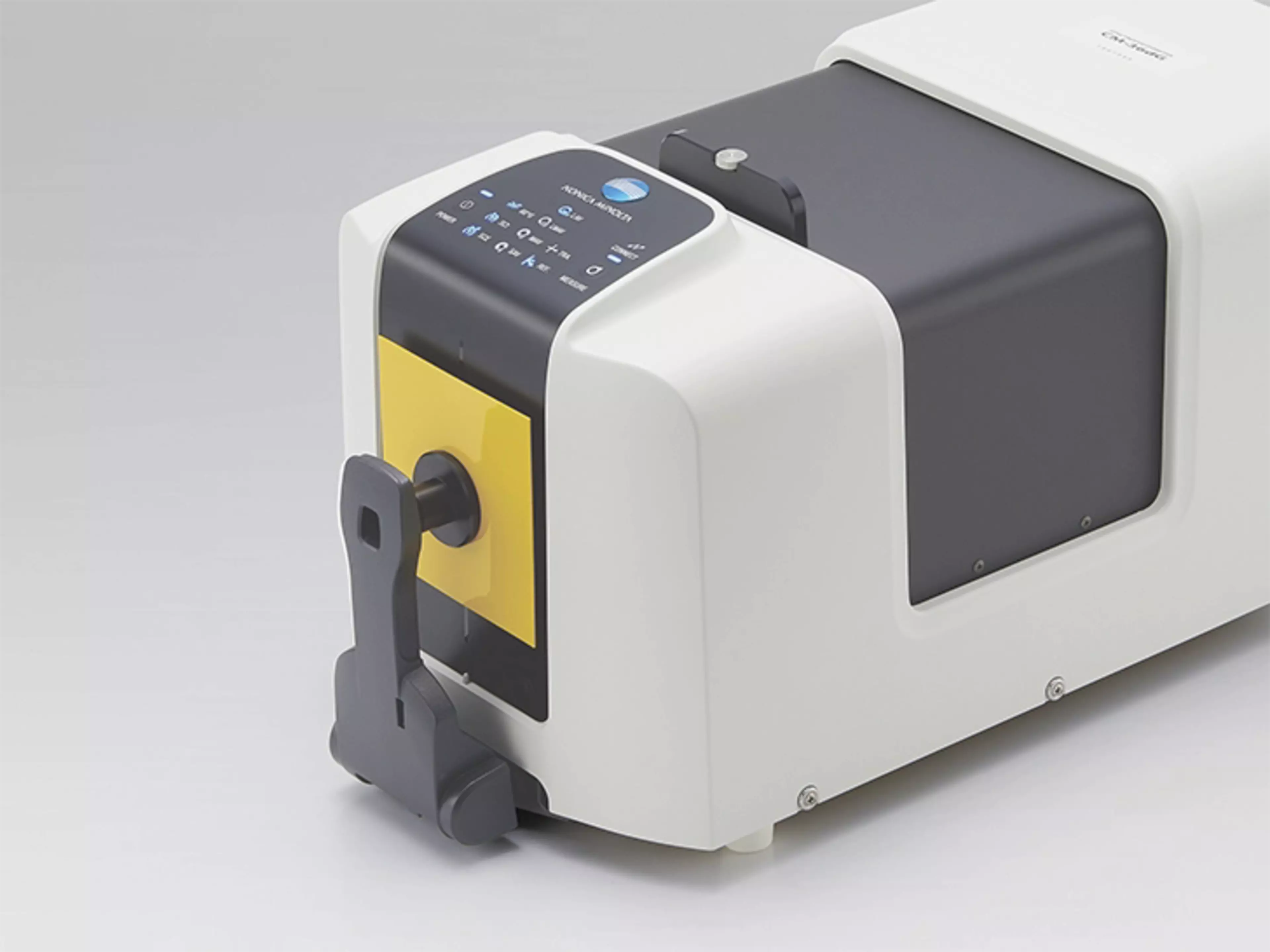
Colour, Light and Display Measurement for the Automotive Industry
Solutions for specification and QC throughout the value chain
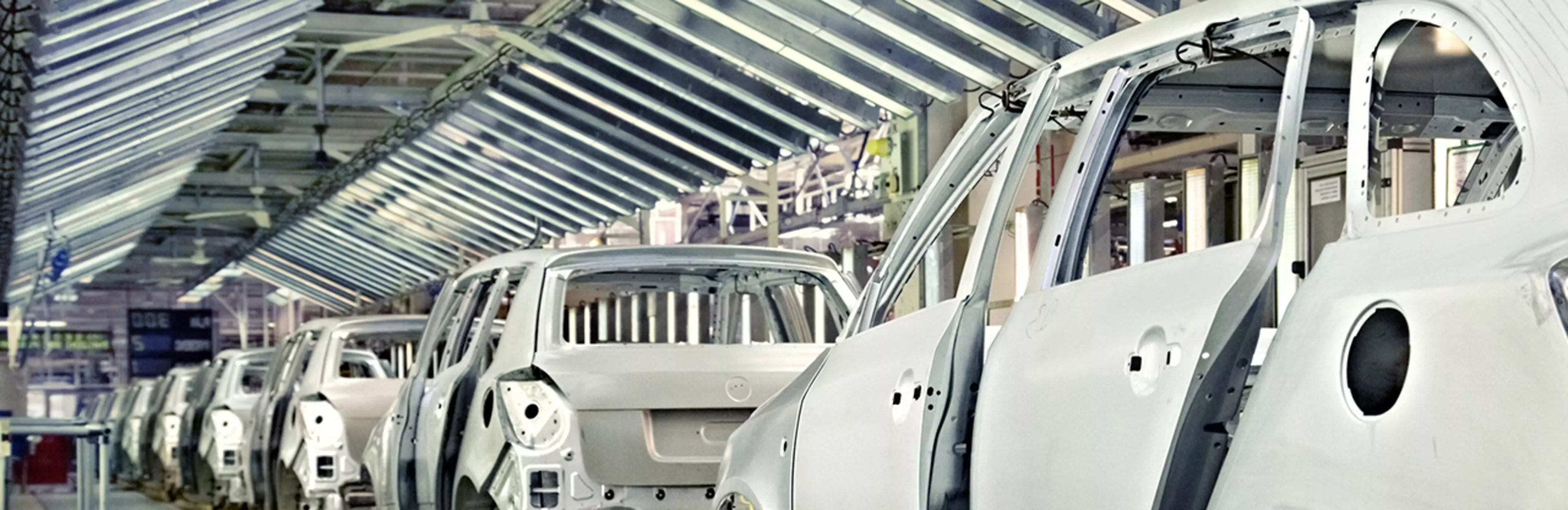
How measurement technologies are used in automotive manufacturing
Automotive manufacturers use measurement technologies to define, communicate and control visual and dimensional quality throughout development, supplier approval, production and final assembly. Across modern vehicle manufacturing, objective data helps ensure that parts and systems meet specification, align with design intent and remain consistent across production sites and supply partners.
These technologies are used not only to check finished components, but also to support specification, prototype evaluation, process control and quality assurance throughout the manufacturing workflow. By replacing or supporting subjective inspection with traceable measurement data, manufacturers can work to tighter tolerances, detect deviations earlier and reduce the risk of defects reaching later production stages. This is especially important in automotive supply chains, where appearance, fit, lighting performance and display quality all contribute directly to perceived vehicle quality and brand value.
Measurement domain | Typical applications | Measurement focus | Why it matters |
|---|---|---|---|
Colour & appearance | Exterior paint, interior plastics, textiles, trim materials | Colour consistency, gloss, surface appearance | Ensures visual alignment of parts across suppliers and production sites |
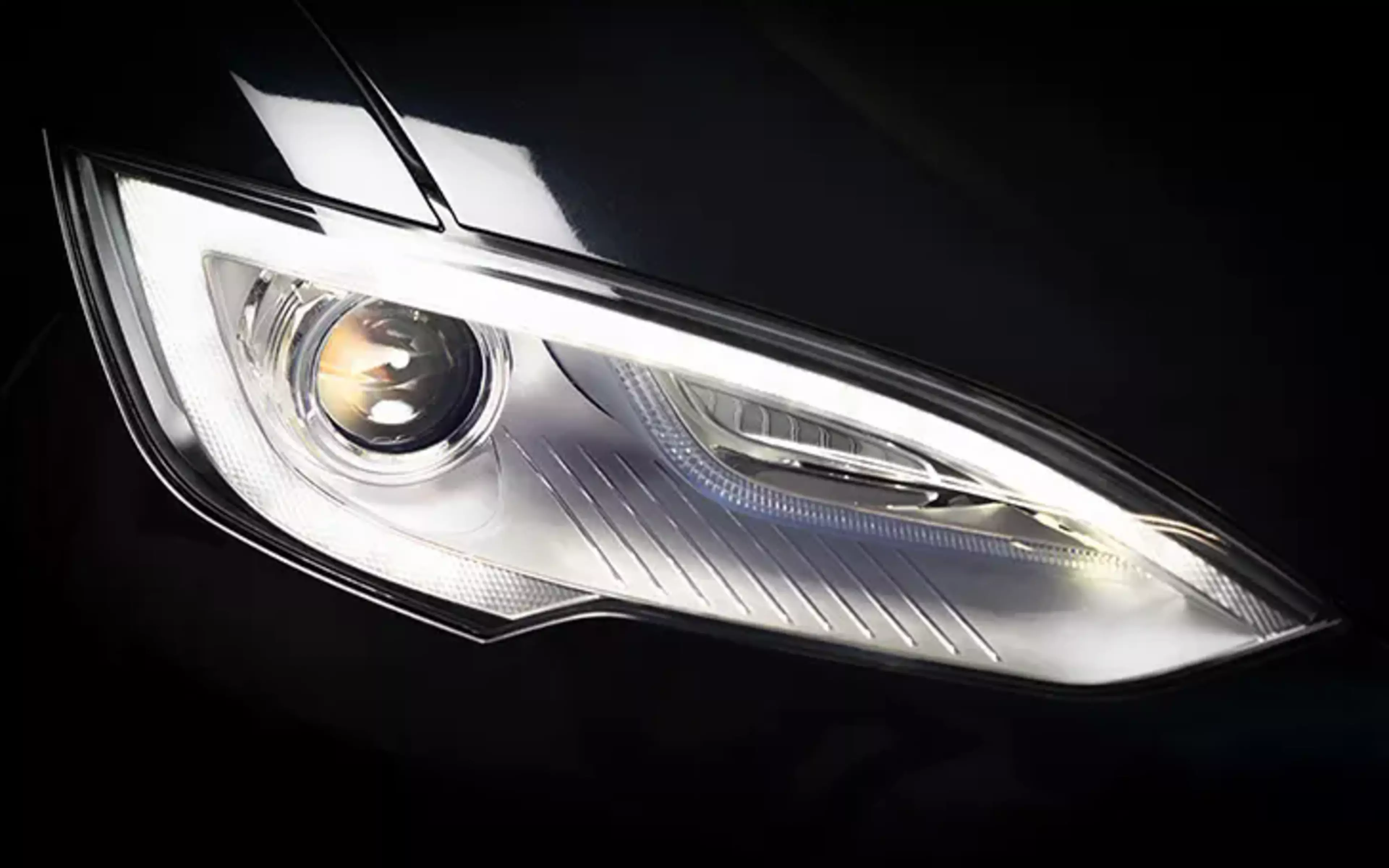
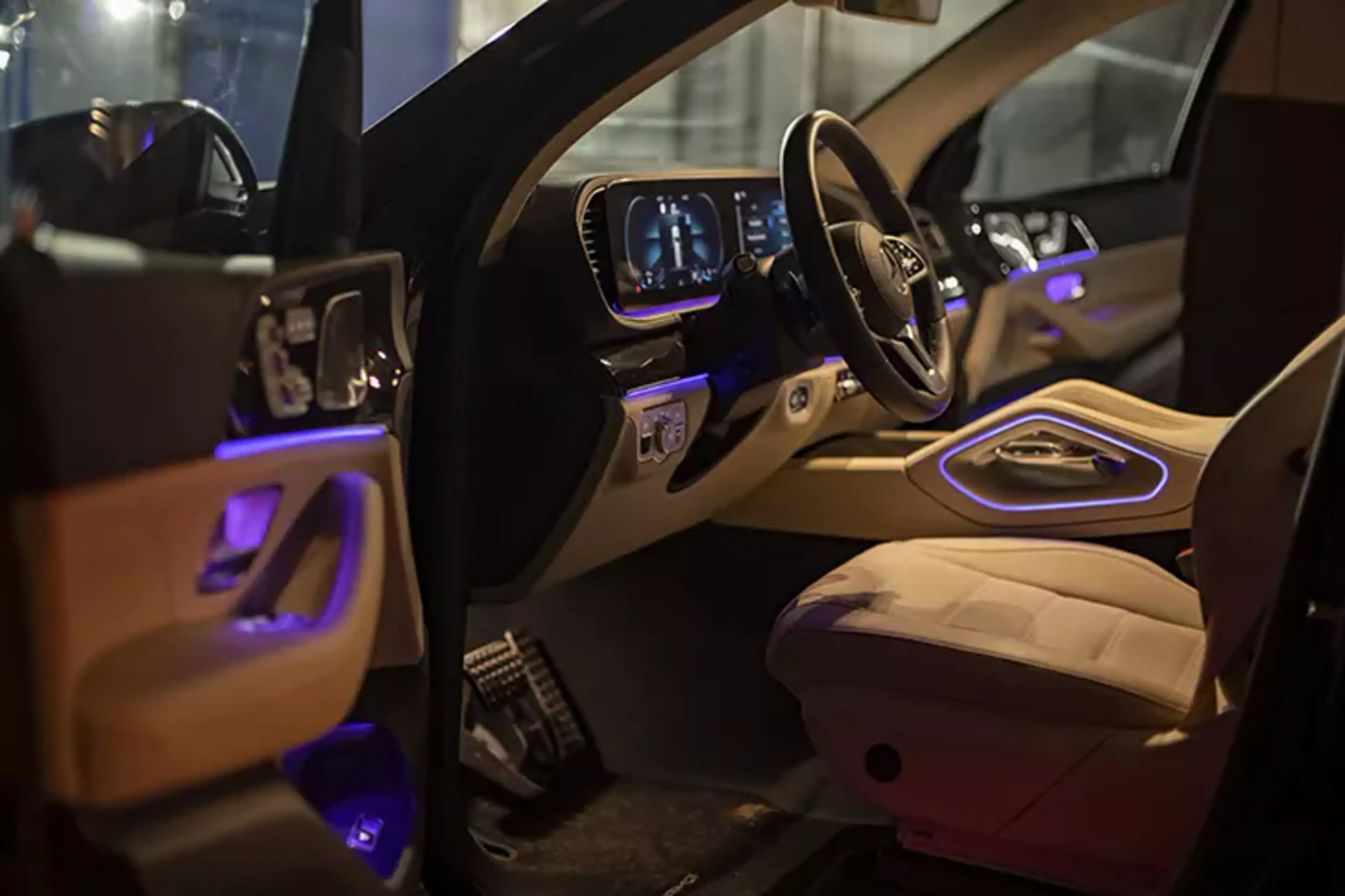
Light & illumination | Headlamps, tail lights, interior lighting, indicators | Luminance, intensity, distribution, uniformity | Ensures safety, regulatory compliance and consistent lighting performance |
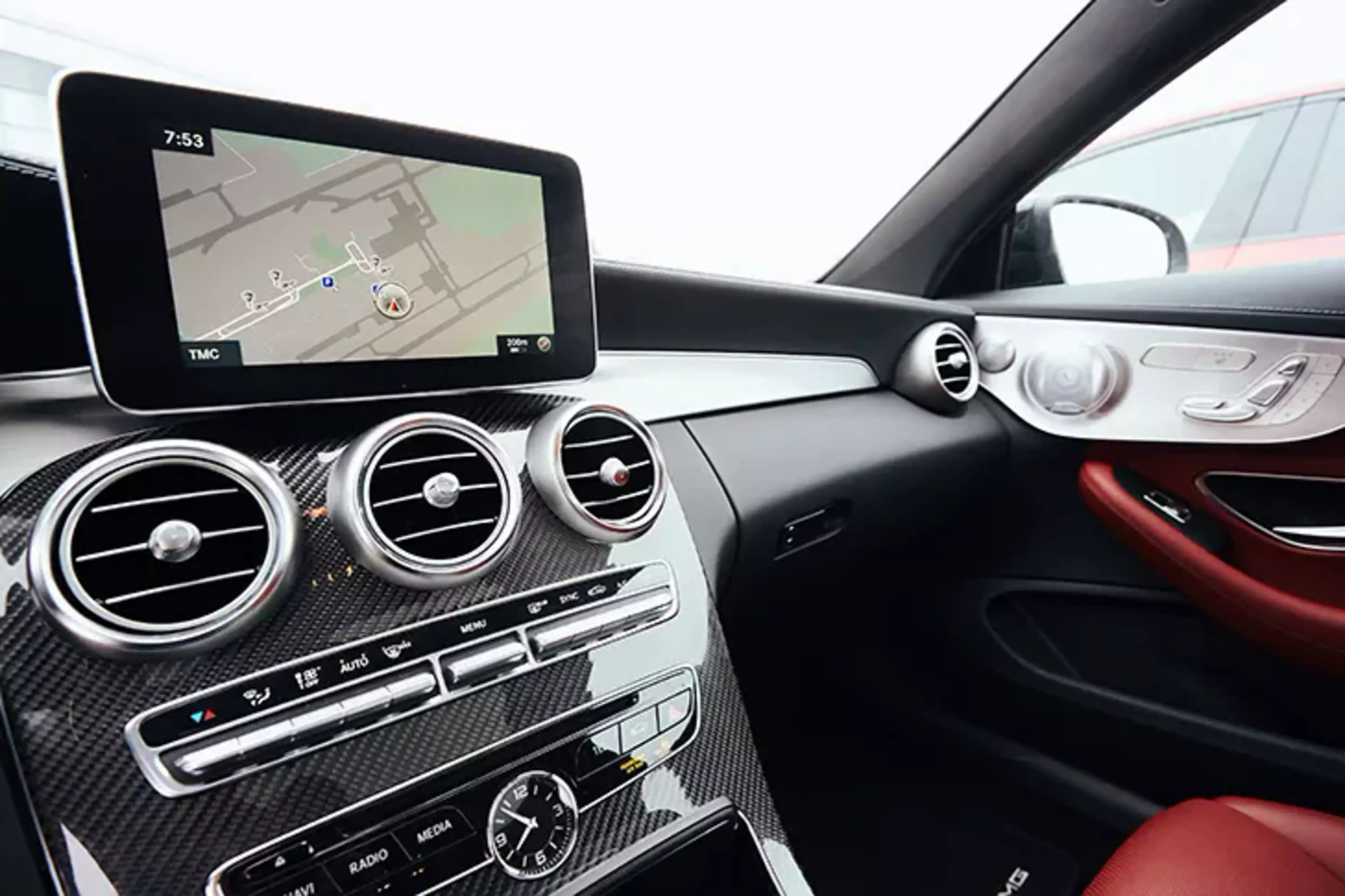
Display systems | Instrument clusters, infotainment displays, HUDs | Luminance, contrast, colour accuracy, viewing angle | Ensures readability, usability and consistent user experience |
Integrated systems | Illuminated controls, symbols, interface elements | Colour + light interaction | Maintains consistent appearance and function across HMI components |
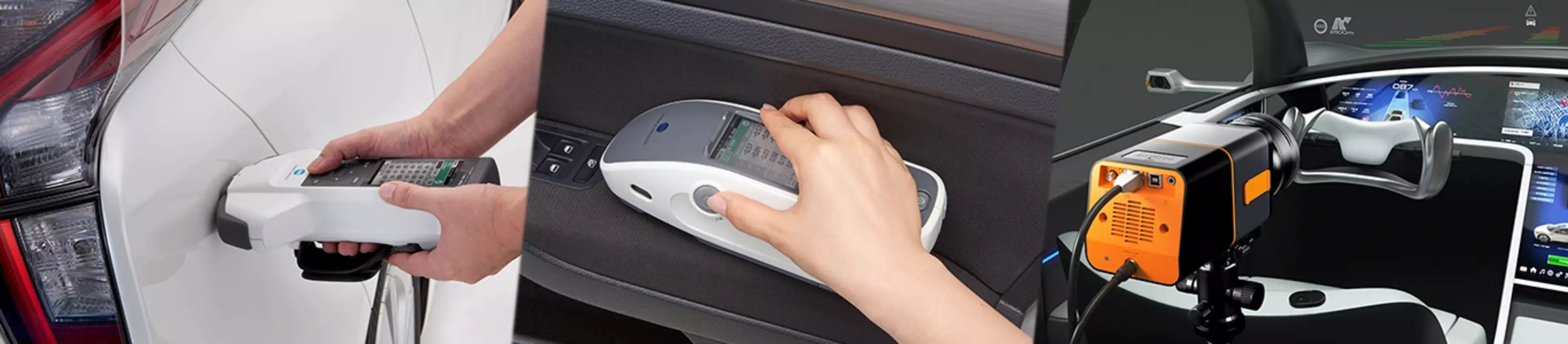
Machine vision and automated inspection for automotive manufacturing
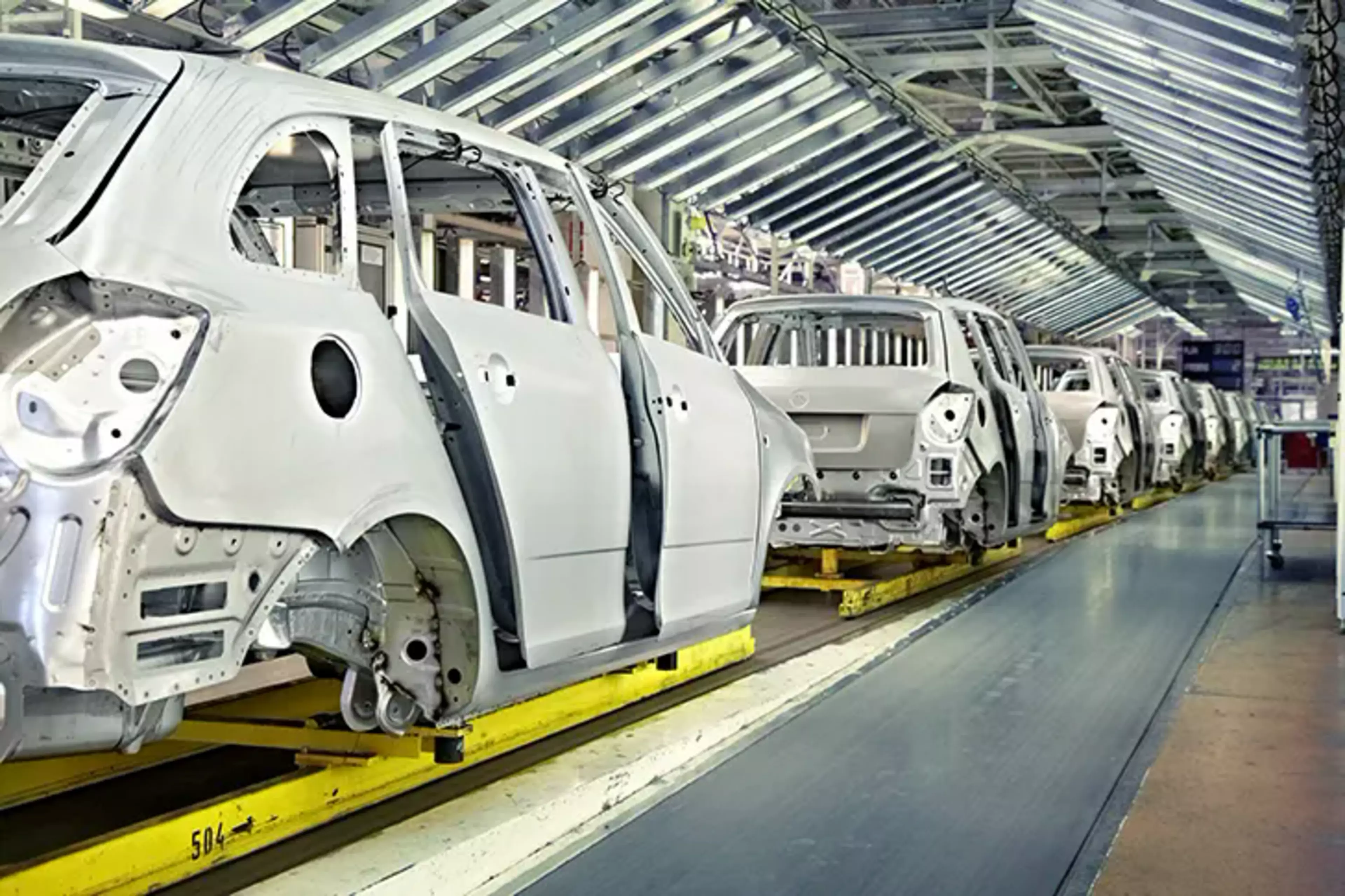
Machine vision systems combine cameras, illumination, sensors and software to inspect components and assemblies directly within the manufacturing environment. In automotive production, they are used for tasks such as surface inspection, assembly validation, component positioning and gap and flush measurement. By analysing visual data automatically and in real time, these systems can detect defects and deviations more consistently than manual inspection alone, helping manufacturers control processes earlier, reduce rework and ensure that components meet defined specifications before moving to the next production stage.
Automotive manufacturers and their supply chains can benefit from complete solutions for the traceable measurement and control of all elements of automotive display technology and lighting. Our systems utilise measurement technology used in development and production of the consumer electronics industry's most advanced display technology, partnered with software customised specifically to the needs of the automotive industry.
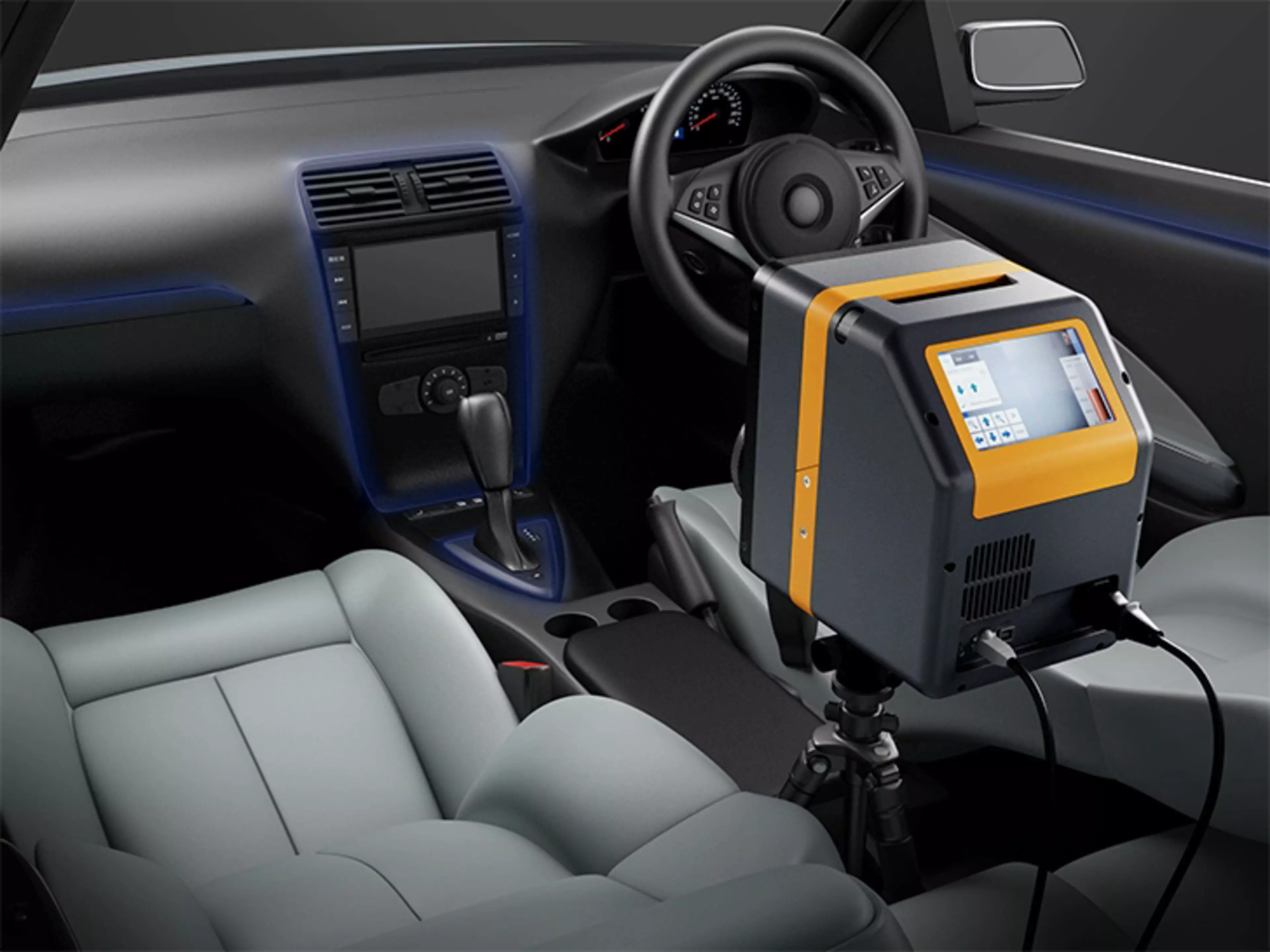
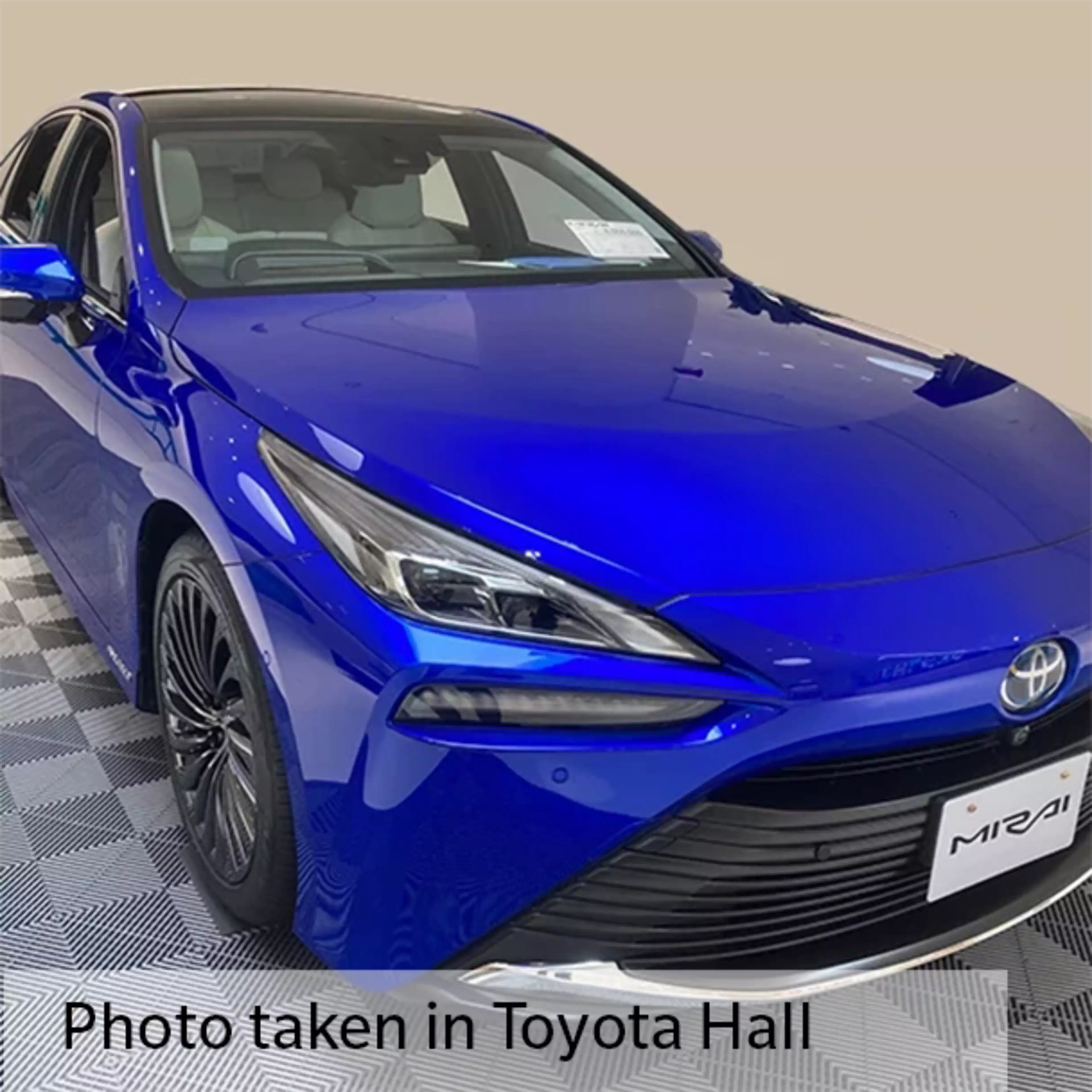
In a showroom environment, the uniformity in appearance has a significant impact on perceived quality and, ultimately, on consumer decision making.
Key Benefits of Measurement Technologies in Automotive Manufacturing
Reduce Costs and Improve Efficiency
By minimising trial and error, subjectivity, rework and rejected components, measurement technologies help streamline development and production processes. Early detection of deviations and objective validation reduces waste of time, materials and resources across the value chain.
Achieve Accuracy Beyond Human Capability
Advanced measurement systems deliver levels of precision, repeatability and speed that cannot be achieved through visual inspection alone. This enables manufacturers to maintain tight tolerances, validate complex components and scale quality control across high-volume production across multiple lines and sites.
Enhance Perceived Quality and Product Value
Consistent colour, lighting and display performance contribute directly to how vehicles are perceived by customers. Measurement technologies ensure that every visual element meets design intent, supporting brand positioning and increasing the perceived value of the final product.
Enable Clear Communication Across Global Supply Chains
Objective, traceable measurement data provides a common language for specifying and validating quality across suppliers, production sites and partners. This reduces ambiguity, improves alignment and supports more efficient collaboration throughout the manufacturing process.
Example Applications of Measurement Technologies in Automotive Applications
Colour Quality Control Across Components and Suppliers
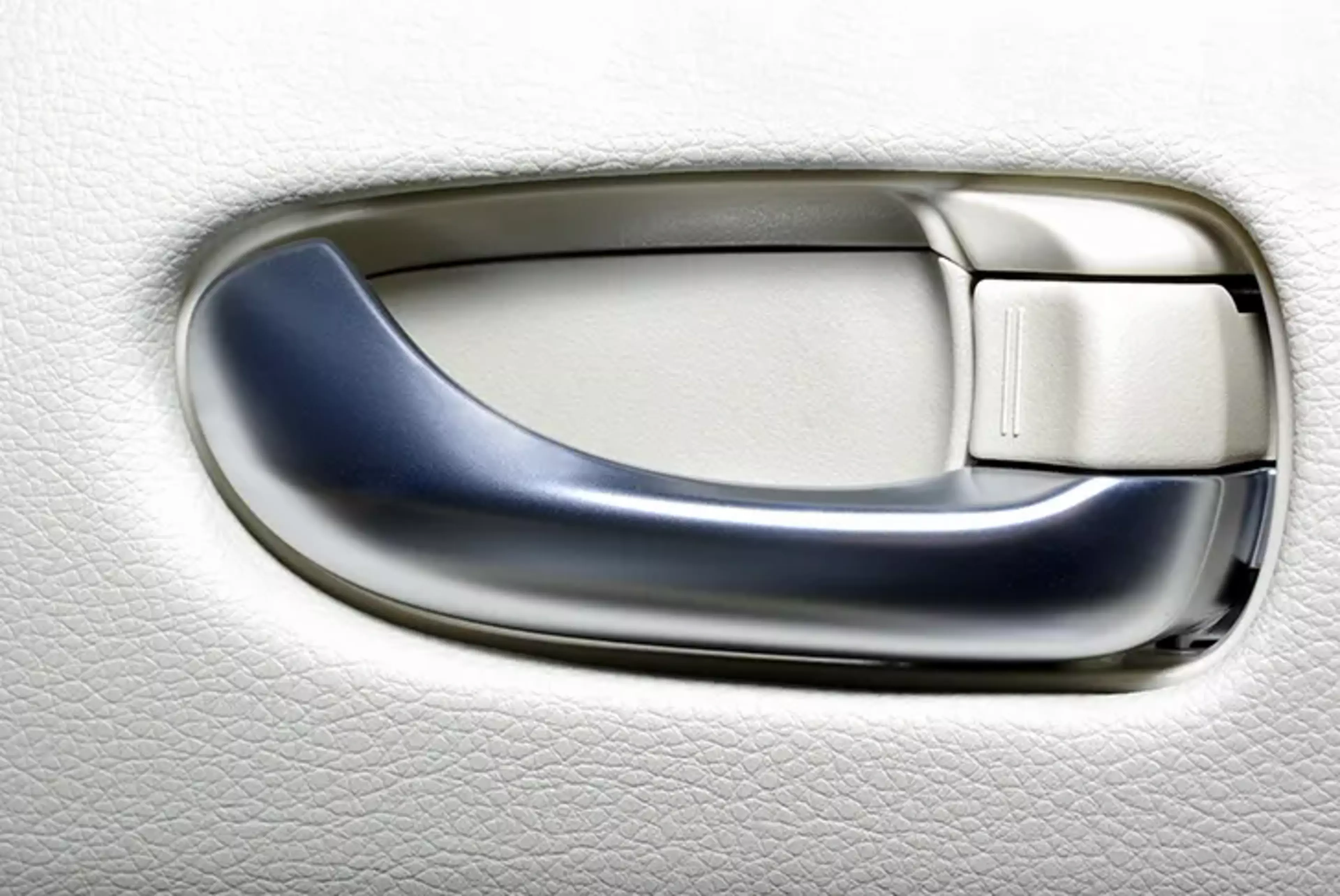
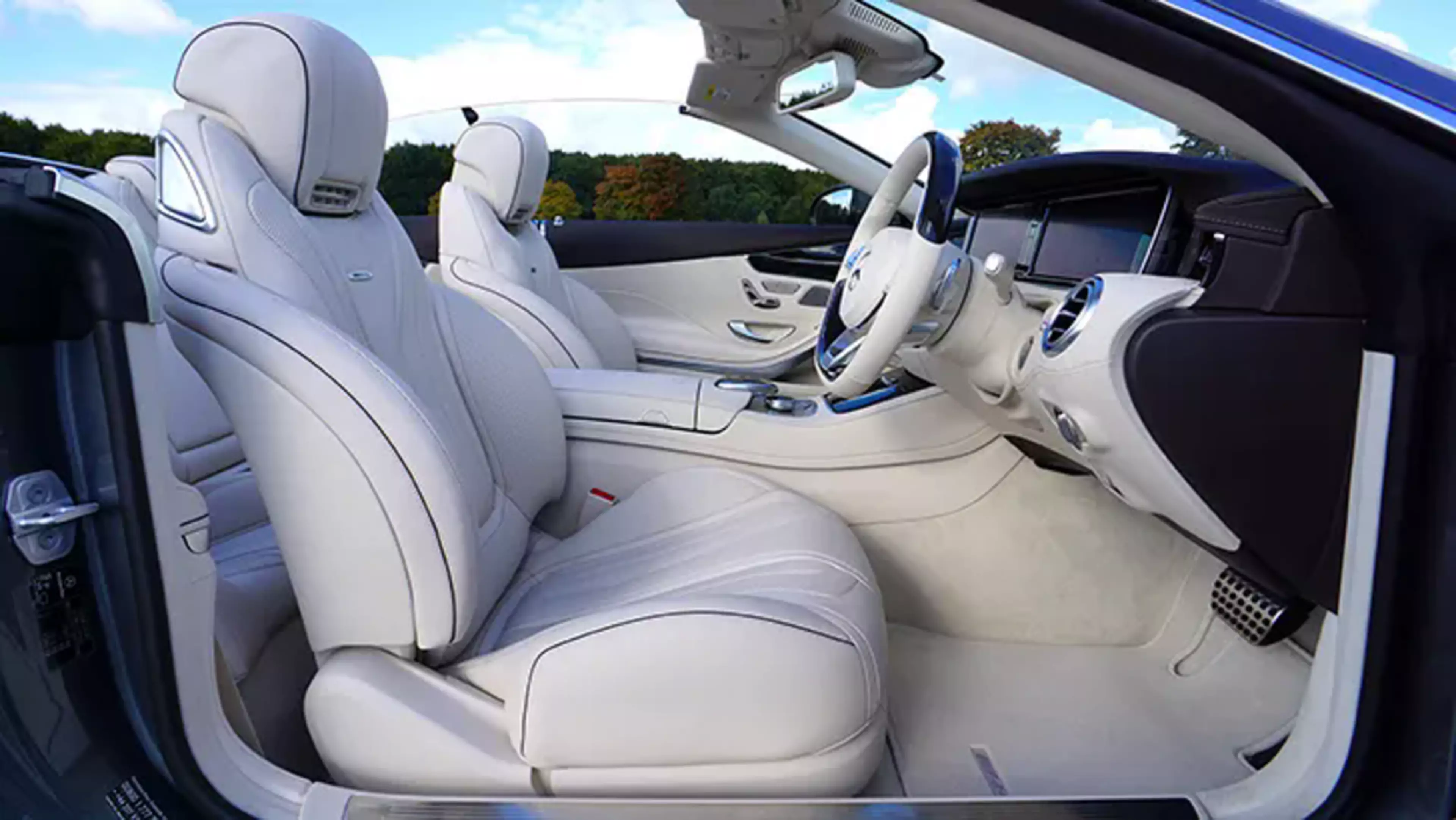
Measurement technologies enable manufacturers to control and validate colour throughout the interior, ensuring consistency from dashboards to headrests. By using objective data, teams can align suppliers, streamline approval processes and prevent costly out of specification colour.
Display and HUD Development and Validation
Advanced measurement systems support the development and optimisation of automotive displays, head-up displays and driver interfaces. Fast, accurate photometric and colorimetric data ensures readability, uniformity and performance across production lines, test environments and in-vehicle systems. Consistent data allows teams to assess each stage of production and installation to find areas for optimisation and to eliminate unnecessary costs.
Paint Process Control and Surface Quality Management
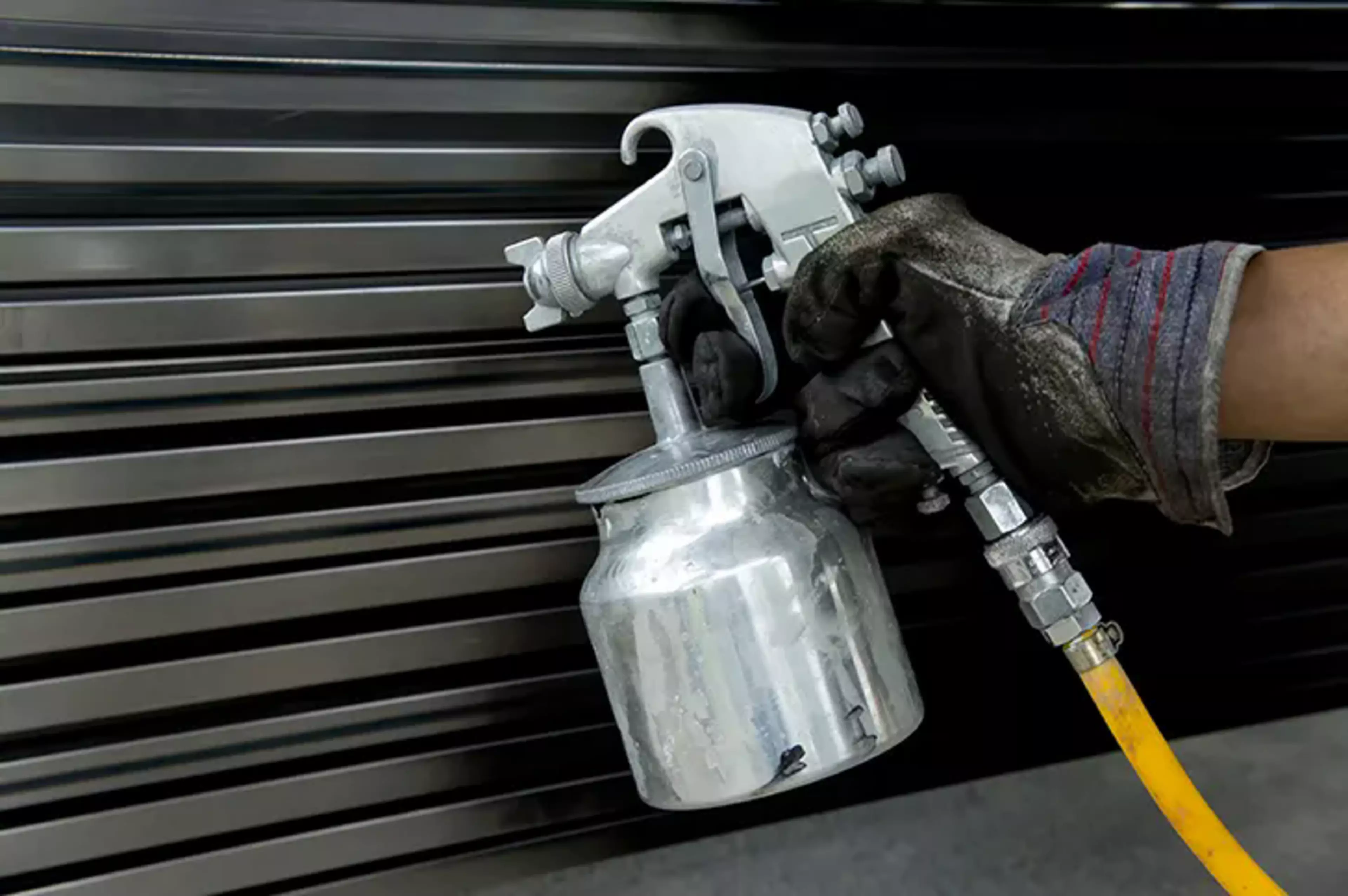
From raw rolled steel through e-coat to final clearcoat, measurement technologies enable manufacturers to monitor and control paint processes at every stage. This ensures consistent surface appearance, high-quality finishes and visual harmony across adjacent panels.
Advanced Display Measurement for Complex Geometries
Specialised systems enable the measurement of large, curved and multi-angle displays used in modern automotive cockpits. These technologies support evaluation of viewing angle performance, luminance and colour consistency across increasingly complex display designs.
Validation of Sensing and Infrared Systems
Measurement technologies support the development and validation of sensing systems such as LiDAR and in-cabin monitoring. By analysing light and radiation beyond the visible spectrum, manufacturers can ensure performance, reliability and safety in advanced driver assistance systems.
Solutions for Colour, Light and Display Measurement of Automotive parts
The links below will take you to pages with more specific content, instruments and solutions relevant to different areas of concern within the Automotive Manufacturing industry.