Display Measurement for the Electronics Industry
Measurement solutions for display technology at consumer, professional and industrial level
How is Measurement Technology used in the Display Industry?
Display measurement is used to quantify how a display performs visually and optically, whether in early technology development, specification, calibration, production quality control and lifecycle repair. For manufacturers and integrators, measurement data provides an objective basis for assessing luminance, chromaticity, contrast, uniformity, gamma, colour gamut, flicker, mura, pixel defects, viewing angle performance and image artefacts.
Stage / context | Typical applications | Measurement focus | Why it matters |
|---|---|---|---|
Design & specification | Display panels, modules, integrated systems | Colour targets and performance requirements | Defines how displays should perform across devices and applications |
Development & validation | Prototypes, new display technologies (OLED, µLED, AR/VR) | Luminance, colour accuracy, contrast, gamut | Ensures new technologies meet performance expectations and design intent |
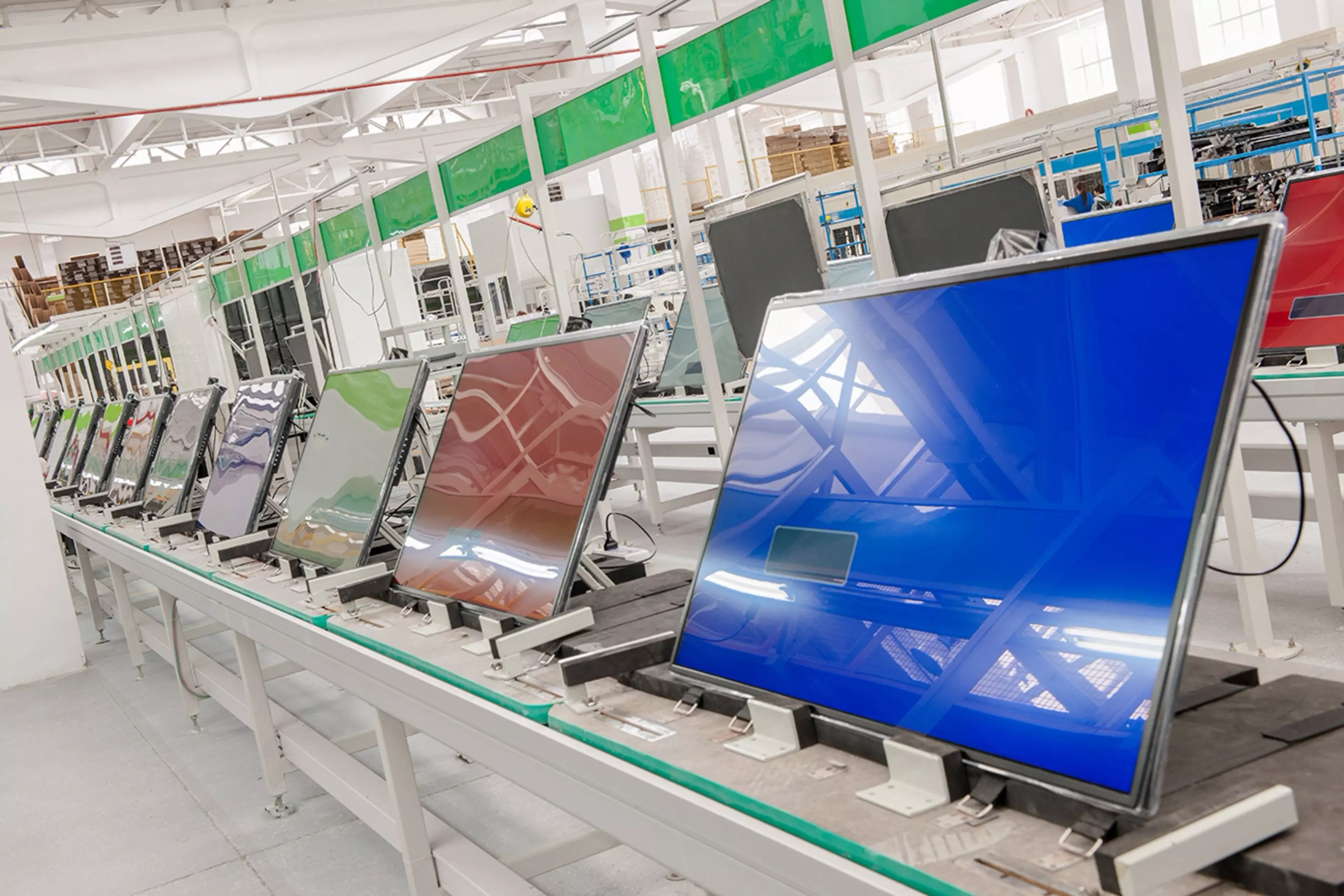
Production & calibration | Manufacturing lines, panel assembly | Brightness, white balance, uniformity | Maintains consistency across units and production batches |
Quality control | Finished displays and systems | Uniformity, defects, variation detection | Identifies issues such as non-uniformity or pixel defects before release |
Performance & UX evaluation | End-use devices (consumer, automotive, medical) | Viewing angle, contrast, visual consistency | Ensures displays deliver a consistent and reliable user experience |
Environmental / application testing | Displays under varying conditions | Stability under light, temperature, and usage conditions | Confirms performance in real-world environments |
As display technologies evolve (including OLED, miniLED, microLED, HDR, high-refresh-rate displays, microdisplays and projection-based systems) visual inspection alone is not sufficient to evaluate performance consistently, accurately or at the kinds of speed that is required in modern production. Measurement instruments allow development and production teams to characterise display behaviour under defined conditions, compare results against specifications and identify even small variations that may affect user experience.
Our solutions support test and validation of all display technologies:
- Television
- Portable electronics (mobile phone, tablet, camera, smart watch)
- Domestic, professional, and healthcare monitors
- Integrated display technology
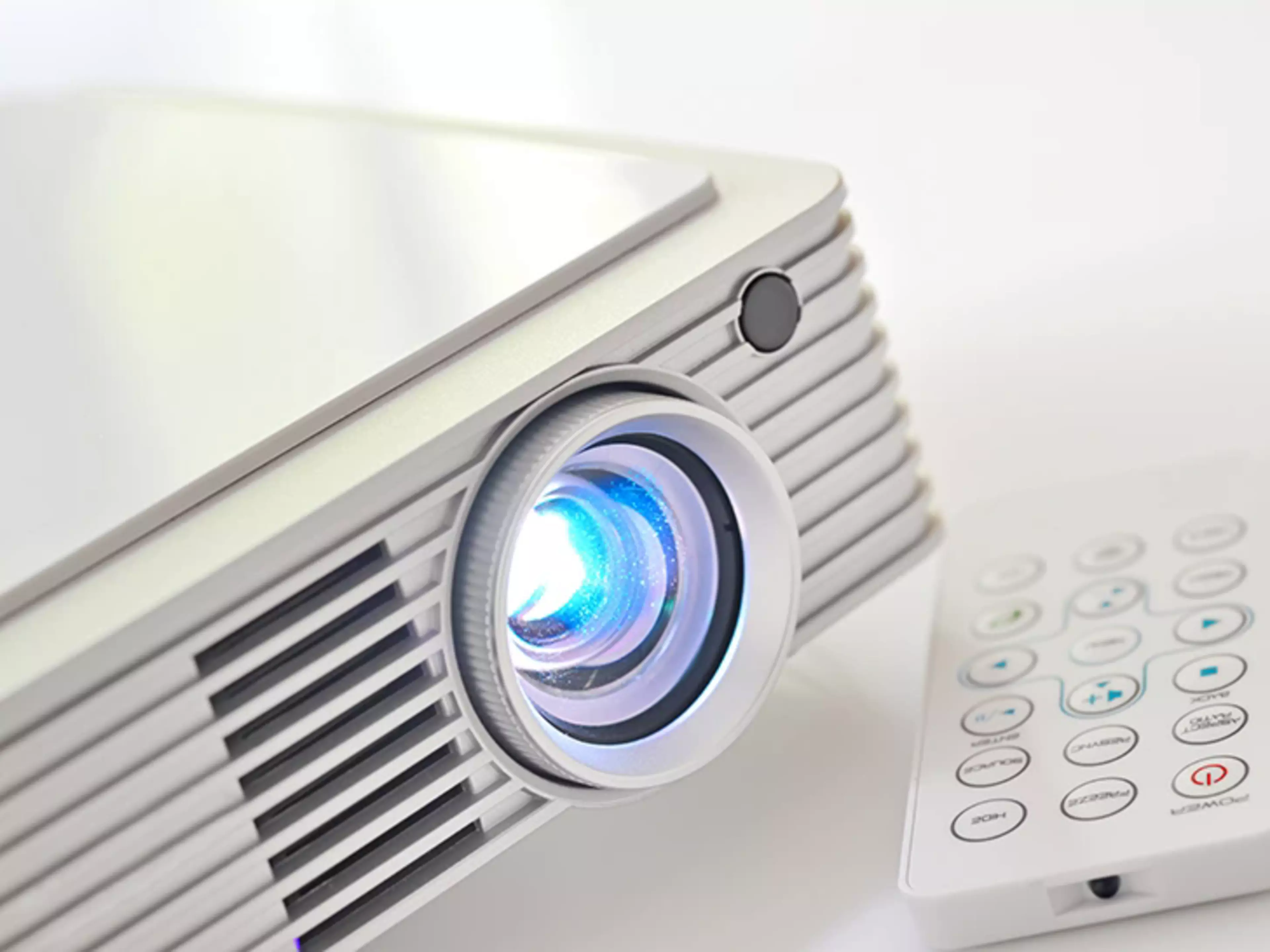
- Projection systems
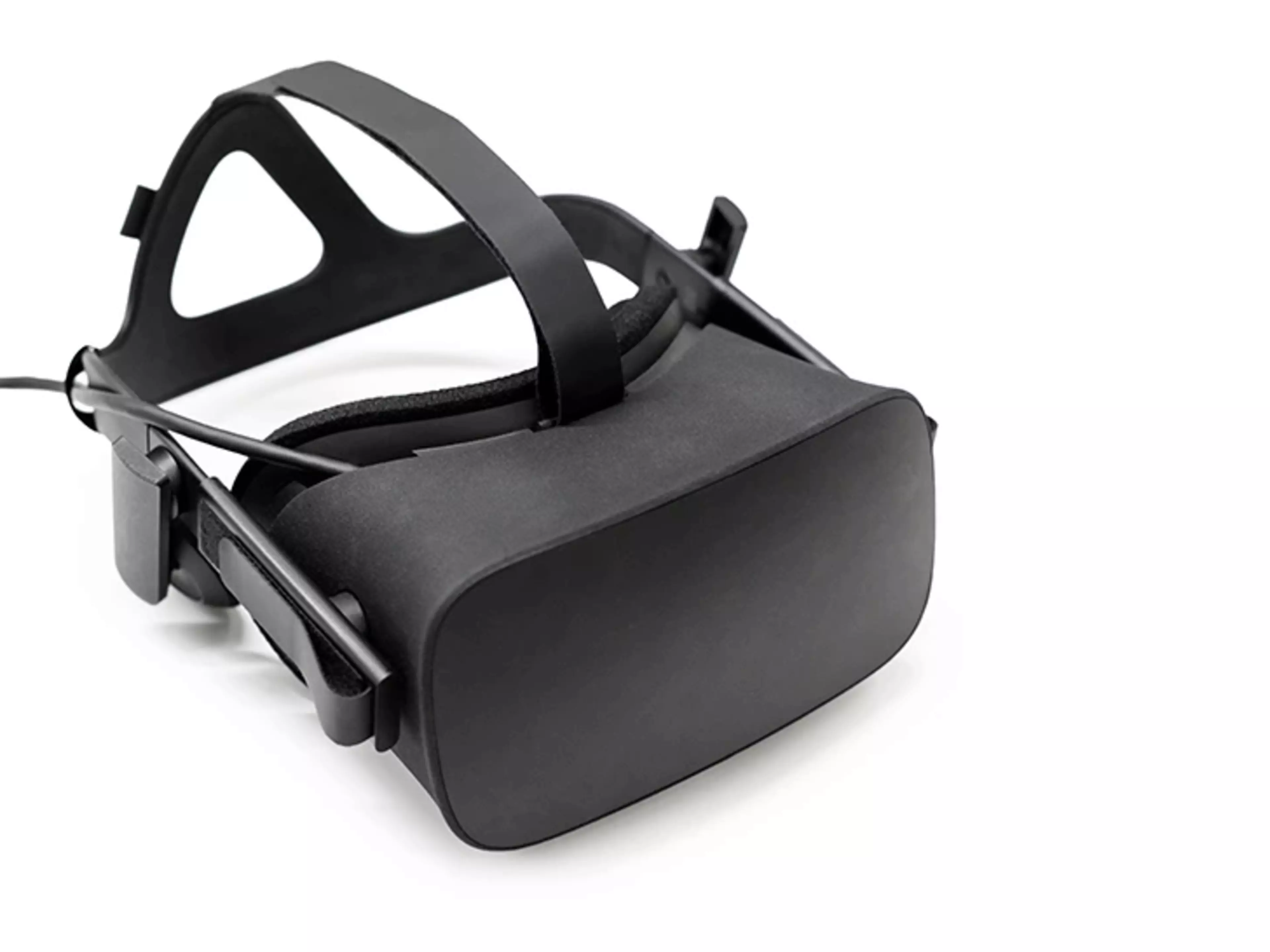
- AR/VR/MR systems
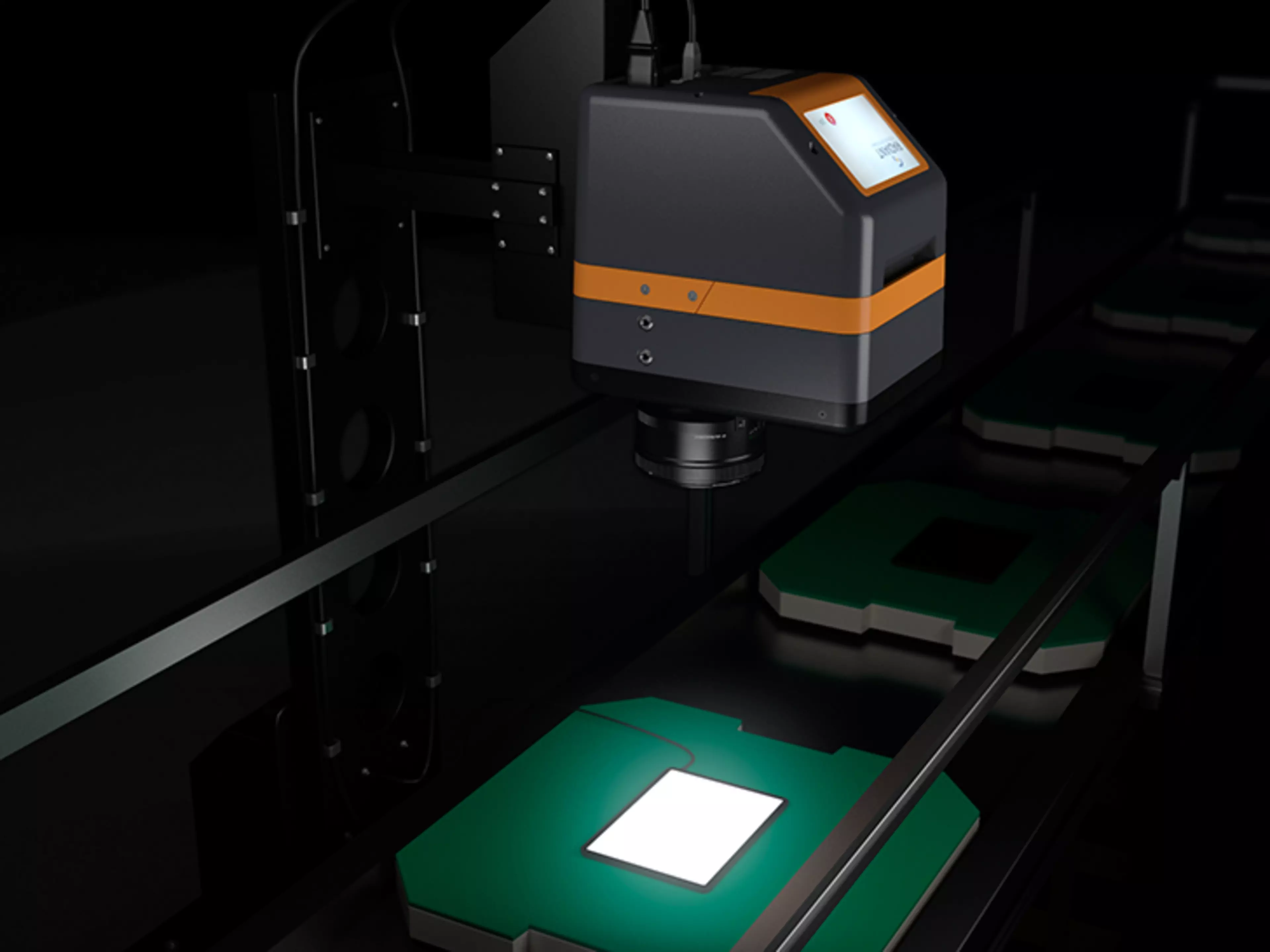
Display technology has become an increasingly crucial element of customer experience and user interface. New technologies such as OLED and µLED enable new form factors, designs and applications. To meet consumer expectation, test and measurement systems should be able to accurately characterise existing and emerging technologies whilst improving TAKT times and offering opportunities to simplify integration, automation, and versatility. Our accredited test lab guarantees independent, reliable and comparable readings, directly traceable to the reference standards of the National Metrological Institute PTB (Germany) and NIST (USA). A direct comparison of measurement results is thus always possible, regardless of the specific metrological implementation and locations of measuring stations or production lines.
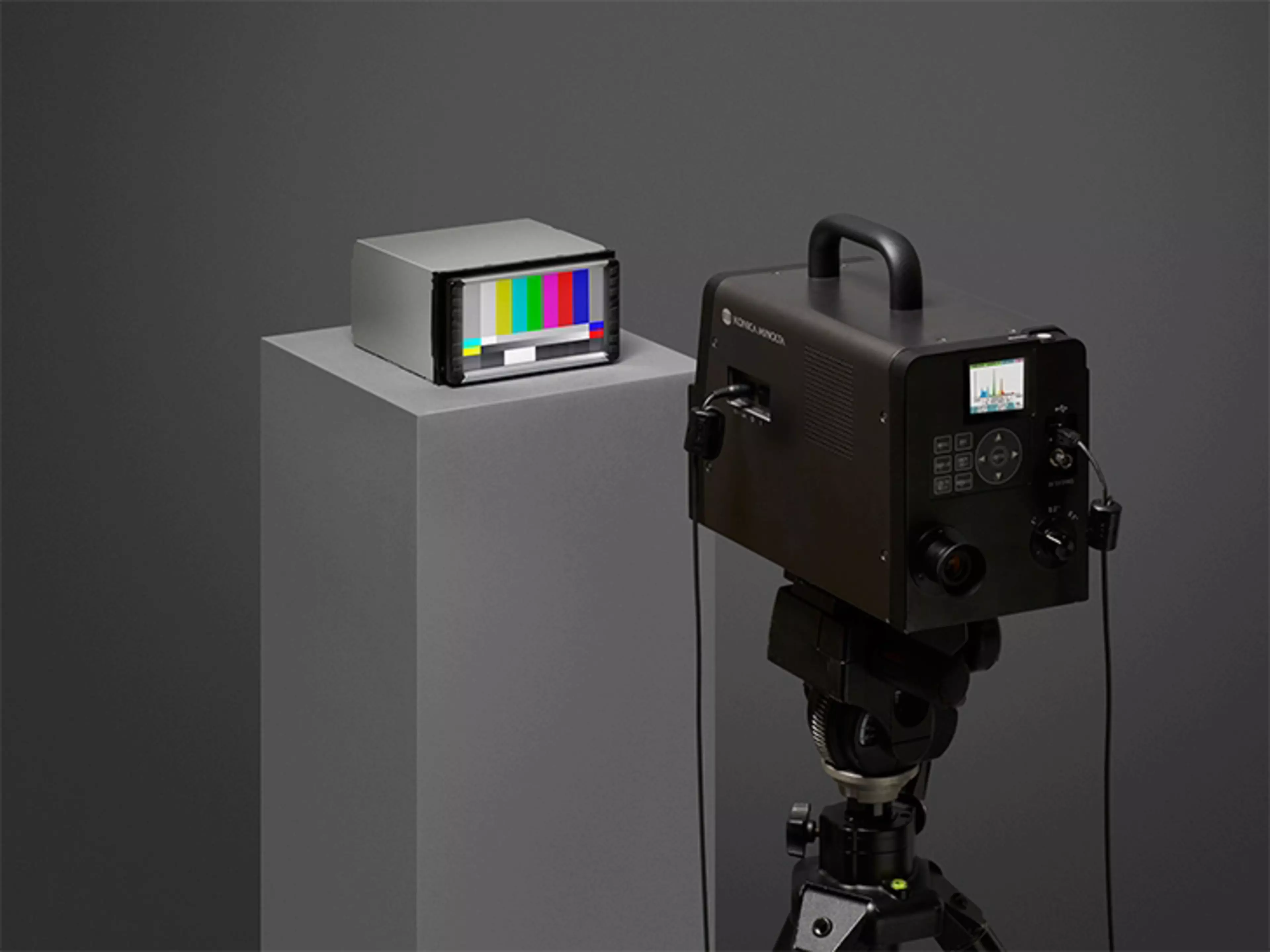
Measurement systems ensure the fast and accurate validation and calibration of display characteristics including:
- Brightness and Contrast
- Colour Gamut and Accuracy
- Uniformity and Homogeneity of image content
- Pixel Defects
- Influence of viewing direction on contrast, colour, luminance
- Flicker and switching times
- Influence of ambient light and temperature on the optical properties.
Requirements, benchmarks and standards may be different according to the application. Our experienced team can help you to select the correct solution and support you through the installation and lifecycle of the instrument.
Scalable solutions are available to help organisations and their wider value chain to benchmark, specify, produce, inspect, and calibrate all manner of display technology including the accurate characterisation of emerging technologies such as:
- OLED panels
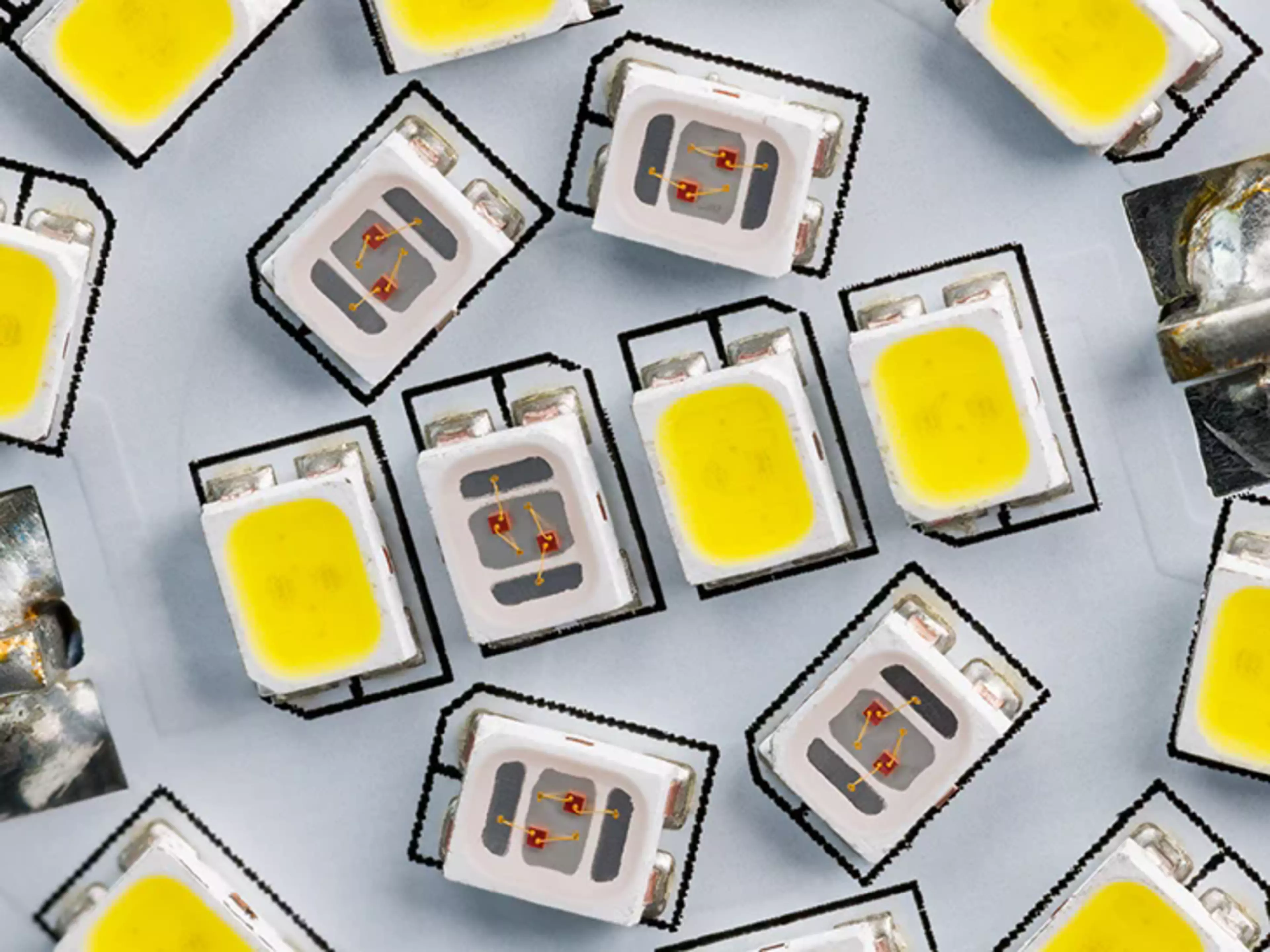
- Micro LEDs
- VR headsets
- Curved displays
- HDR displays
- UDC (under-display cameras) and more.
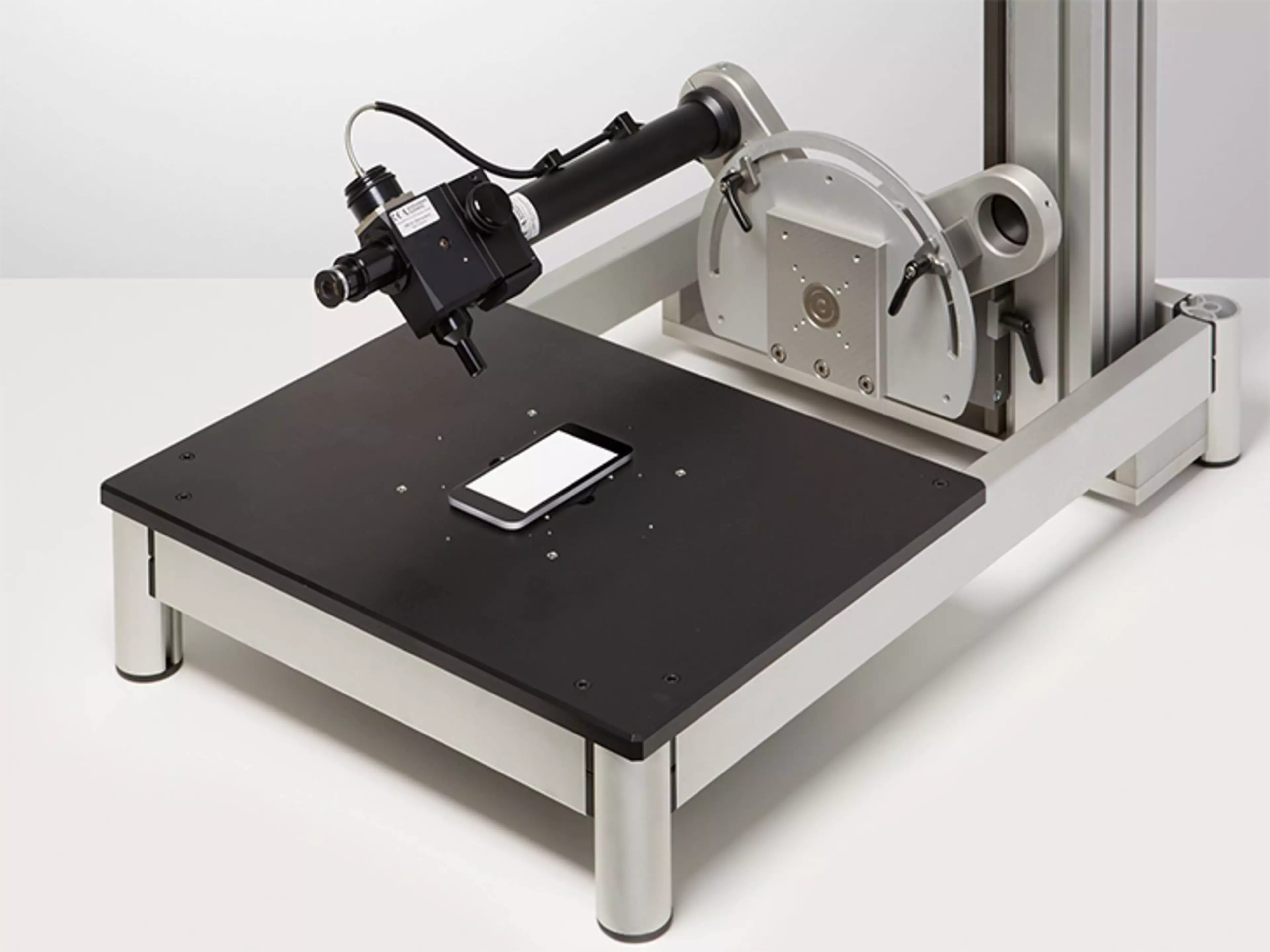
The sales and support network of the Konica Minolta group of companies can support your project on an international or global scale.
Benefits
Reduce production time, costs, and waste:
Improve takt times whilst also improving defect detection and configuration by implementing a cutting edge, automated inspection and calibration solution that can keep up with manufacturing processes.
Push the boundaries of new technologies:
Development teams can benefit from cutting edge measuring instruments with the highest standards in accuracy, from the blackest blacks to the brightest pinks and the boldest blues, allowing producers to wow consumers and industry alike.
Increase perceived value:
Specify & control components and processes, target improvements and consistency with supply partners, elevating the consumer perception of quality and value.
Versatile measuring solution:
Systems can be adapted for different size display and parallel display technologies and most can be used in laboratory or production environments.
Simulate the human eye, don't rely on it:
Objective evaluation of display characteristics at all stages of the manufacturing process with test systems that replicate the human vision system but provide efficiency, repeatability and objective data that a human cannot.
Example Applications of Display Measurement Technologies
Display calibration and adjustment
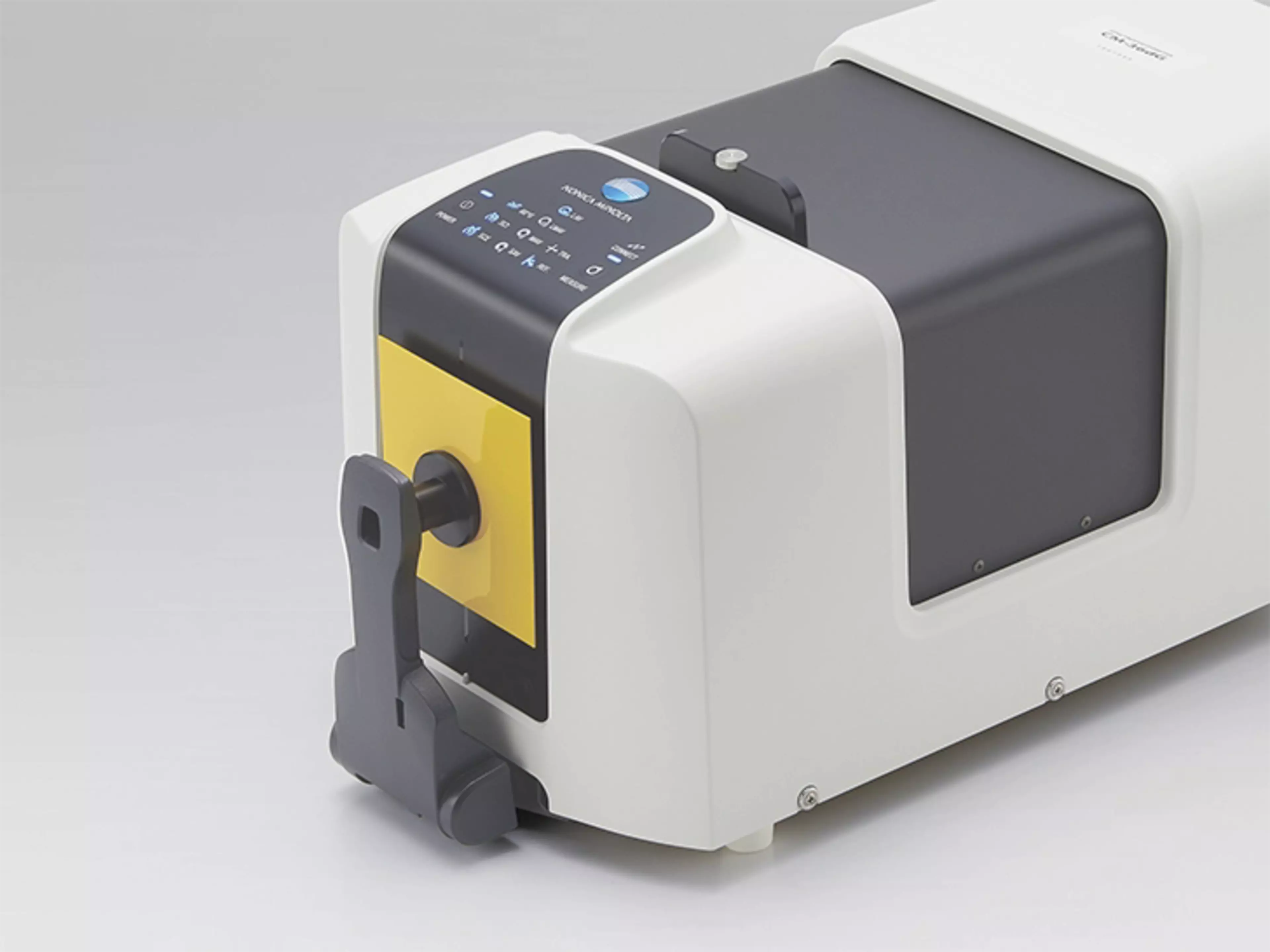
Display Color Analyzers and spectroradiometers are used to measure luminance, chromaticity, gamma and white balance during calibration. This helps ensure that displays meet product specifications and deliver consistent visual performance across units and production batches.
Uniformity and mura inspection
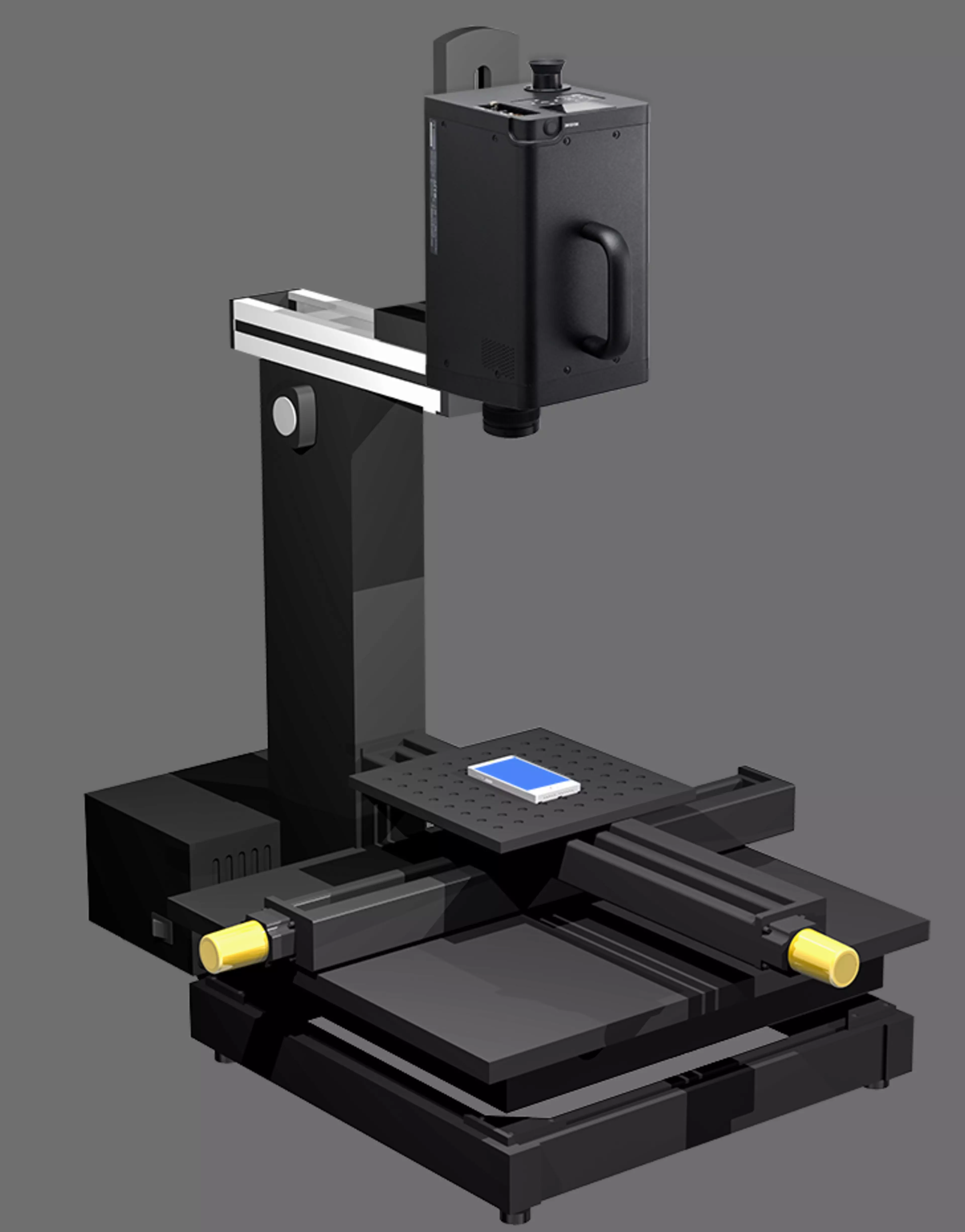
Imaging colorimeters can evaluate luminance and colour uniformity across the full display area. They are used to detect mura, backlight variation, colour shading, local dimming defects and other non-uniformity issues during development or production.
Pixel defect and visual defect detection
High-resolution imaging systems can identify dead pixels, bright pixels, line defects, contamination, scratches and other visible display defects. Automated inspection software can apply consistent pass/fail criteria and support high-throughput production testing.
HDR and wide colour gamut validation
HDR and wide-gamut displays require measurement instruments capable of handling low luminance, high luminance and saturated colour performance. Spectroradiometers and Display Color Analyzers support characterisation of contrast, luminance range, colour accuracy and gamma response for advanced display products.
Viewing angle measurement
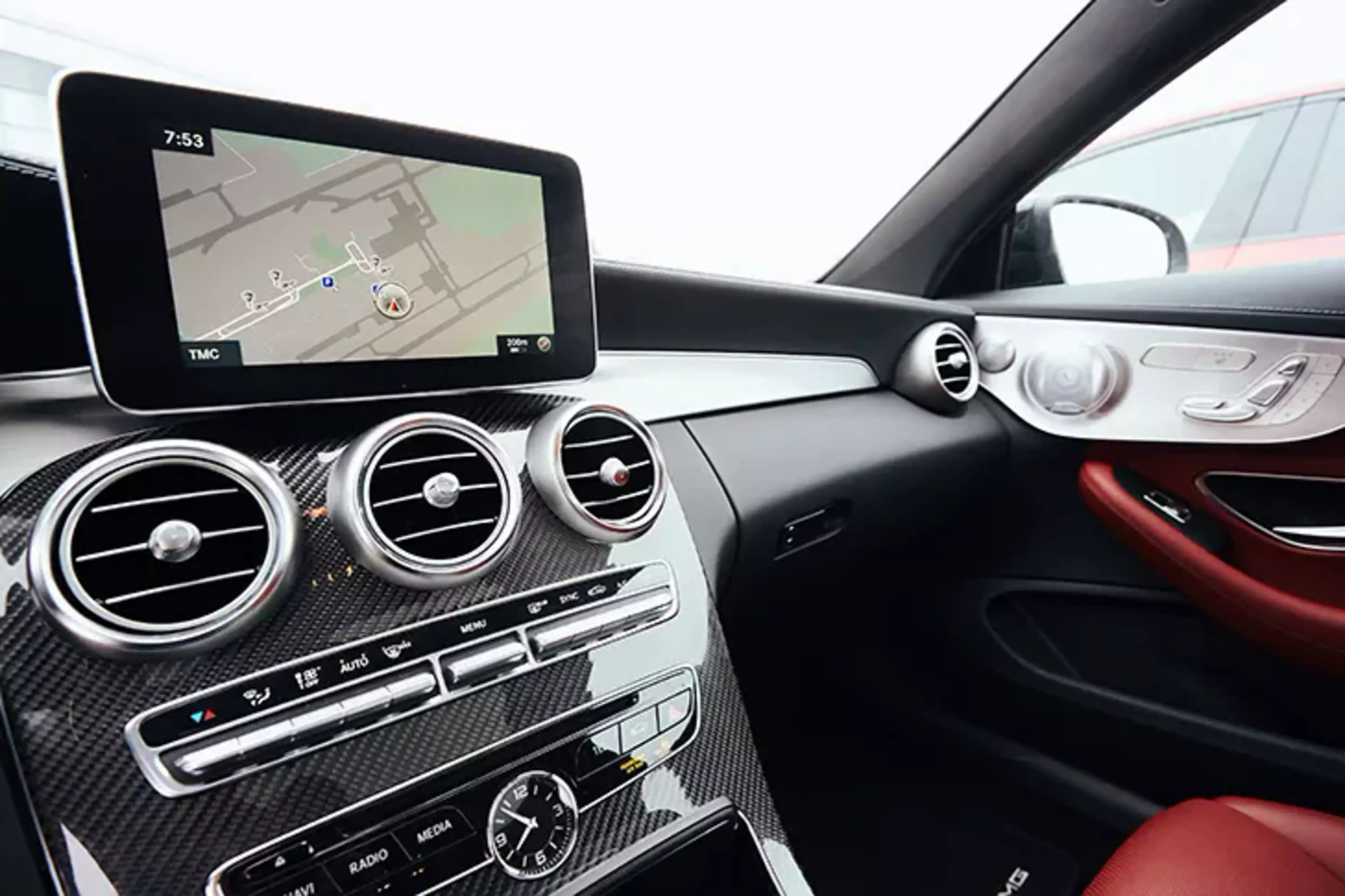
Angular measurement systems are used to evaluate how luminance, colour and contrast change with viewing direction. This is important for displays used in consumer electronics, automotive interiors, industrial systems and any application where users view the display from different angles.
Select from the categories below to learn more about solutions for display measurement for specific applications